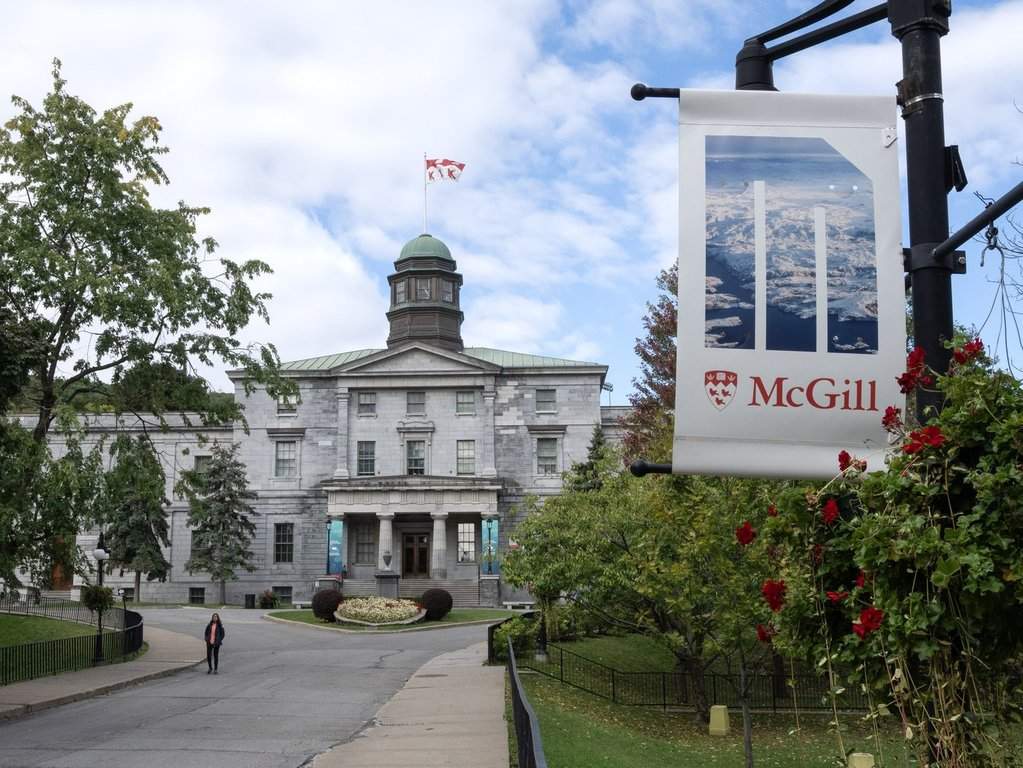
The lazy consensus surrounding campus safety and criminal rehabilitation is collapsing in real time. When news broke that a convicted murderer serving a life sentence was sitting in lecture halls at McGill University's faculty of law under day parole, the predictable culture war erupted. On one side stood students demanding exclusion based on physical safety. On the other side stood a faction of future legal minds drafting petitions to protect his access to education. Both sides missed the structural rot at the core of the debate.
The argument for reintegration assumes that institutional spaces like universities function as neutral zones for rehabilitation. They do not. Campuses are dense, high-trust environments populated heavily by young adults, disproportionately young women, who have a right to physical security that precedes any abstract theory of penal reform. When universities admit violent offenders without disclosure, they shift the burden of risk management onto unsuspecting students who paid tuition, not penology class fees. In related news, read about: Why Trump and Russia Are Reshaping Global Diplomacy Right Now.
Let us define terms precisely. Rehabilitation is a state objective aimed at lowering recidivism through programming, psychological intervention, and behavioral modification. It is not an unconditional entitlement to elite institutional validation. Earning a law degree from McGill is a privilege, not a constitutional human right required for breathing air outside concrete walls. Conflating the basic right to live a lawful life with admission to a competitive professional program is a category error that distorts the entire conversation.
Imagine a scenario where a corporate board hires a high-risk financial fraudster fresh out of federal custody to handle internal audits without informing the accounting staff. Human resources would face immediate revolt, and rightfully so. Yet when universities do the equivalent with violent crimes against the person, critics are told they lack empathy for second chances. Empathy cannot supersede a duty of care. The New York Times has also covered this important topic in extensive detail.
The pro-petition camp argues that denying campus access halts reintegration. This is legally and logically lazy. Distance learning, independent study, and digital access exist precisely to separate the mechanics of education from the physical presence of bodies in a shared room. Forcing vulnerable peers to share a lecture hall with a man convicted of murdering one woman and brutally assaulting a child is not progressive justice; it is institutional negligence.
Institutional secrecy is the real culprit here. McGill administration hid behind privacy and administrative silence, failing to establish transparent protocols for handling high-risk parolees in academic spaces. When transparency is absent, paranoia fills the vacuum. The university tried to play the role of a progressive pioneer while dodging basic operational accountability.
Stop pretending that every institutional failure is a principled stand for human rights. Sometimes a cigar is just a cigar, and a systemic safety failure is just administrators prioritizing optics over the student body. True reform requires balancing public safety with offender support, not sacrificing the former at the altar of institutional virtue signaling.
The next time an elite university tries to launder its progressive credentials by dropping violent offenders into crowded undergraduate settings, check who bears the actual risk. It will never be the administrators signing the admission letters from behind locked executive doors.