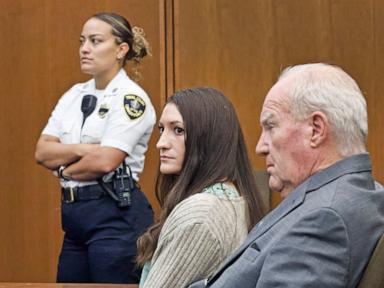
High-stakes criminal trials involving severe psychiatric defenses rarely hinge on simple binary determinations of guilt; instead, they fracture along the fault lines of legal standards like reasonable doubt and criminal responsibility. In the trial of Lindsay Clancy, who stands accused of killing her three children while her defense team argues severe postpartum psychosis, deliberations extended into a tense sixth day. The proceedings escalated from routine jury friction into a procedural crisis when the foreperson notified Judge William Sullivan that a single juror refused to follow instructions regarding reasonable doubt. Understanding why high-complexity trials stall requires examining the structural mechanics of jury deadlocks, the friction points of psychiatric evidence, and the legal calculus governing holdout jurors.
The Dual Architecture of Criminal Responsibility and Psychiatric Defenses
Trials featuring an insanity defense or claims of diminished capacity due to severe mental illness impose an intense cognitive burden on a jury. The fact finder must simultaneously process two distinct realities: the physical mechanics of the offense and the defendant's neurological and psychological state at the precise moment of execution.
In this case, the structural divide centers on two competing operational models presented during the proceedings:
- The Premeditation Model: Advanced by the prosecution, this framework highlights pre-planning behaviors, such as timing errands and mapping logistics, to argue for rational execution and intent.
- The Psychotic Break Model: Advanced by the defense, this framework asserts that acute postpartum psychosis overrode rational cognition, rendering the defendant incapable of conforming her behavior to the requirements of the law.
When a jury cannot bridge these models, the deliberation room shifts from a collaborative analytical body into a polarized negotiation space. The friction reported by the foreperson indicates that the impasse is no longer merely about weighing evidence, but about a breakdown in adherence to the legal definitions that govern that evidence.
The Cost Function and Threshold of the Holdout Juror
A unanimous verdict requirement creates a distinct structural vulnerability within the American judicial system: the power of the single holdout. When twelve individuals are sequestered for days following a six-week trial featuring dozens of witnesses and hundreds of exhibits, psychological fatigue intersects with deeply held personal convictions.
The appearance of a holdout refusing to apply the legal definition of reasonable doubt triggers a specific sequence of judicial protocols:
- Individual Inquiry: The presiding judge must intervene to assess whether a juror is unwilling or unable to follow the law, balanced against the prohibition of interfering with the free internal movement of deliberations.
- The Dynamiting Phase: Judges frequently deploy supplemental instructions—often termed Allen or dynamite charges—to pressure the body to re-examine viewpoints without forcing individuals to abandon their core convictions.
- The Mistrial Threshold: If isolation persists and the court determines that further deliberations will only yield coercion rather than consensus, a mistrial is legally mandated.
The defense request to remove the holdout juror, alongside the prosecution's resistance, underscores the strategic calculus at play. Removing a juror mid-deliberation is an extreme judicial remedy fraught with appellate risk, as it threatens the constitutional safeguard protecting minority viewpoints in a criminal panel.
The Downstream Mechanics of a Mistrial
If the court ultimately declares a deadlocked jury, the legal system initiates a new operational cycle rather than a final resolution. A mistrial resets the ledger, returning the prosecution to the foundational decision point of resource allocation and strategy re-evaluation.
The subsequent pathways available to the state dictate the next operational phase:
- Full Retrial: The district attorney can elect to try the case anew before a completely fresh panel, duplicating the massive expenditure of judicial time, expert witness testimony, and emotional capital.
- Plea Negotiation: The prolonged deadlock alters the risk profile for both sides, occasionally opening avenues for negotiated settlements that avoid a secondary trial.
- Civil Commitment Pathways: If an acquittal occurs via an insanity ruling, the legal framework shifts entirely toward institutional confinement evaluations to determine ongoing public safety risks.
Monitor the court's handling of individual juror examinations and responses to further impasse notes to gauge whether judicial intervention successfully preserves the panel or forces a declaration of a mistrial.


