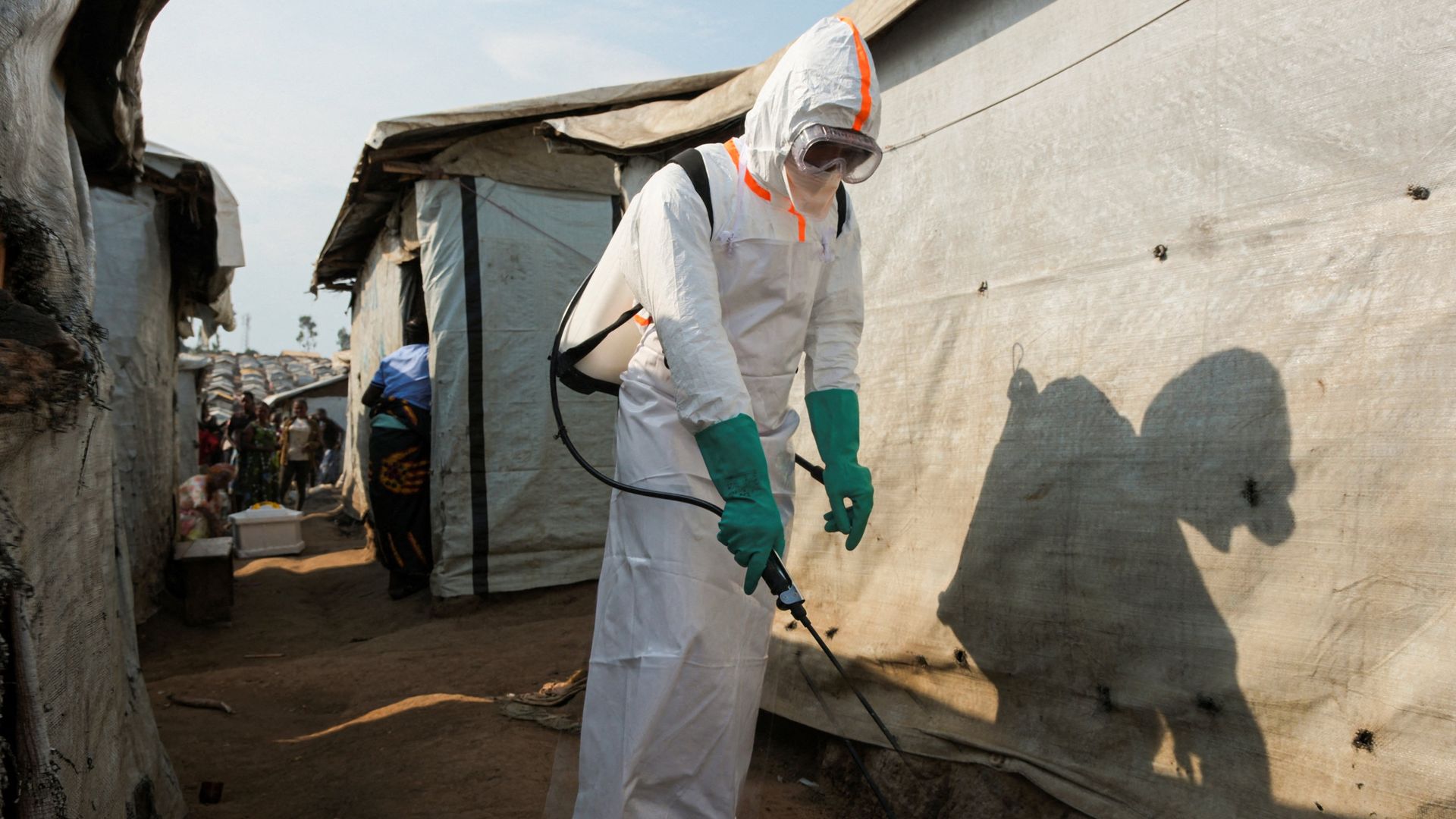
An uncontrolled outbreak is tearing through the Democratic Republic of the Congo and spreading into neighboring Uganda. The culprit isn't the standard Zaire strain of Ebola we usually hear about. It's the far rarer Bundibugyo species. Right now, there are zero approved vaccines or specific treatments for it. It kills roughly one in three people it infects.
That's why a brand-new clinical trial launching in the UK is a massive deal, even if it's only in Phase 1. Also making waves in this space: Early Oncology Diagnostics and the Diagnostic Yield of Liquid Biopsies.
Scientists at the University of Oxford's Oxford Vaccine Group just started the world's first human trial for a vaccine targeting the Bundibugyo strain. They designed and manufactured this thing in a staggering eight weeks. It's an incredible feat of modern vaccinology, but it also highlights a frustrating reality: we are still playing catch-up with deadly viruses in real-time.
Here's the ground truth about what's happening, how this vaccine actually works, and why testing it on healthy adults in the UK is the fastest way to save lives thousands of miles away. More details into this topic are detailed by World Health Organization.
The Blind Spot in Our Current Ebola Defense
Most people assume we solved the Ebola problem a few years ago. We have Ervebo, a highly effective vaccine manufactured by Merck, and Zabdeno, a two-dose regimen from Johnson & Johnson. Those are genuine medical triumphs, but they come with a catch. They only target the Zaire species of the virus.
Scientists have identified six distinct species of Ebola. Because their genetic profiles differ significantly, a vaccine for one doesn't protect against the others. Think of it like trying to use a seasonal flu shot to protect yourself against Covid. It just won't work.
The current outbreak in the DRC involves the Bundibugyo strain, the third-largest Ebola emergency on record. Over 1,700 laboratory-confirmed cases have been reported, and more than 620 people are dead. The outbreak is concentrated in a conflict zone, making contact tracing and isolation incredibly difficult. Without a specialized tool, containing it is nearly impossible.
Inside the Eight-Week Vaccine Recipe
The experimental shot is called ChAdOx1 BDBV. If that prefix sounds familiar, it's because it uses the exact same viral vector technology as the Oxford-AstraZeneca Covid-19 vaccine.
The strategy relies on a modified, harmless version of a common cold virus (an adenovirus) that typically infects chimpanzees. Scientists stripped out its ability to replicate inside humans, so it can't make you sick. Then, they spliced in genetic instructions for the Bundibugyo Ebola virus's surface spike protein.
When a person gets the injection, their cells produce this harmless protein, training the human immune system to recognize and attack the real Bundibugyo virus if it ever encounters it.
Building on an established platform is how Oxford cut the development timeline down to just two months. They didn't start from scratch. They swapped the genetic code of the Covid spike protein for the Ebola one, using a blueprint they already knew was safe and scalable.
Why Test an African Virus Outbreak in Oxford
The trial will enroll 50 healthy adults aged 18 to 55 in the UK. Some critics always ask the same question: why waste time testing a vaccine on British volunteers when people are dying in central Africa right now?
Honestly, it's the safest and fastest way to get things moving.
Phase 1 trials aren't designed to see if a vaccine prevents infection in a real-world epidemic. The primary goals are assessing basic safety, checking for unexpected side effects, and proving the human body creates an immune response. Doing this initial safety check in a controlled UK environment bypasses the immense logistical hurdles of a war zone.
If you try to run an early safety trial in an area with broken infrastructure, a mobile population, and an active outbreak, your data gets messy. By validating safety in 50 healthy volunteers first, researchers gain the regulatory green light needed to deploy the vaccine where it actually matters.
The global community isn't waiting around for the UK trial to finish before setting up production, either. The Coalition for Epidemic Preparedness Innovations (CEPI) poured $8.6 million into a partnership with Oxford and the Serum Institute of India. The Serum Institute has already manufactured and stockpiled roughly 620,000 doses of this experimental vaccine. 4,000 of those doses are already prepared for clinical evaluation.
Preparations are concurrently underway with the Medical Research Council and the Uganda Virus Research Institute to lay the groundwork for efficacy trials in Africa the moment the UK safety data looks clear.
The Long-Term Play Against Outbreaks
This trial isn't an immediate fix for the communities suffering in the DRC today. It takes months to monitor volunteers, track their antibody levels, and scale up real-world deployment. For patients currently fighting the infection, hospitals are relying on experimental antivirals like remdesivir and monoclonal antibody cocktails like MBP134.
Instead, this Oxford project represents a shift toward a proactive pandemic strategy. We can't keep waiting for hundreds of people to die before we start designing specific medical countermeasures.
If you want to track this development or consider participating in clinical trials, monitor updates directly via the Oxford Vaccine Group's active registry or global health trial finders like ClinicalTrials.gov using the study identifier BD-Ebov. The data generated over the next few months will determine if we finally close one of the most dangerous gaps in our global biosecurity network.


