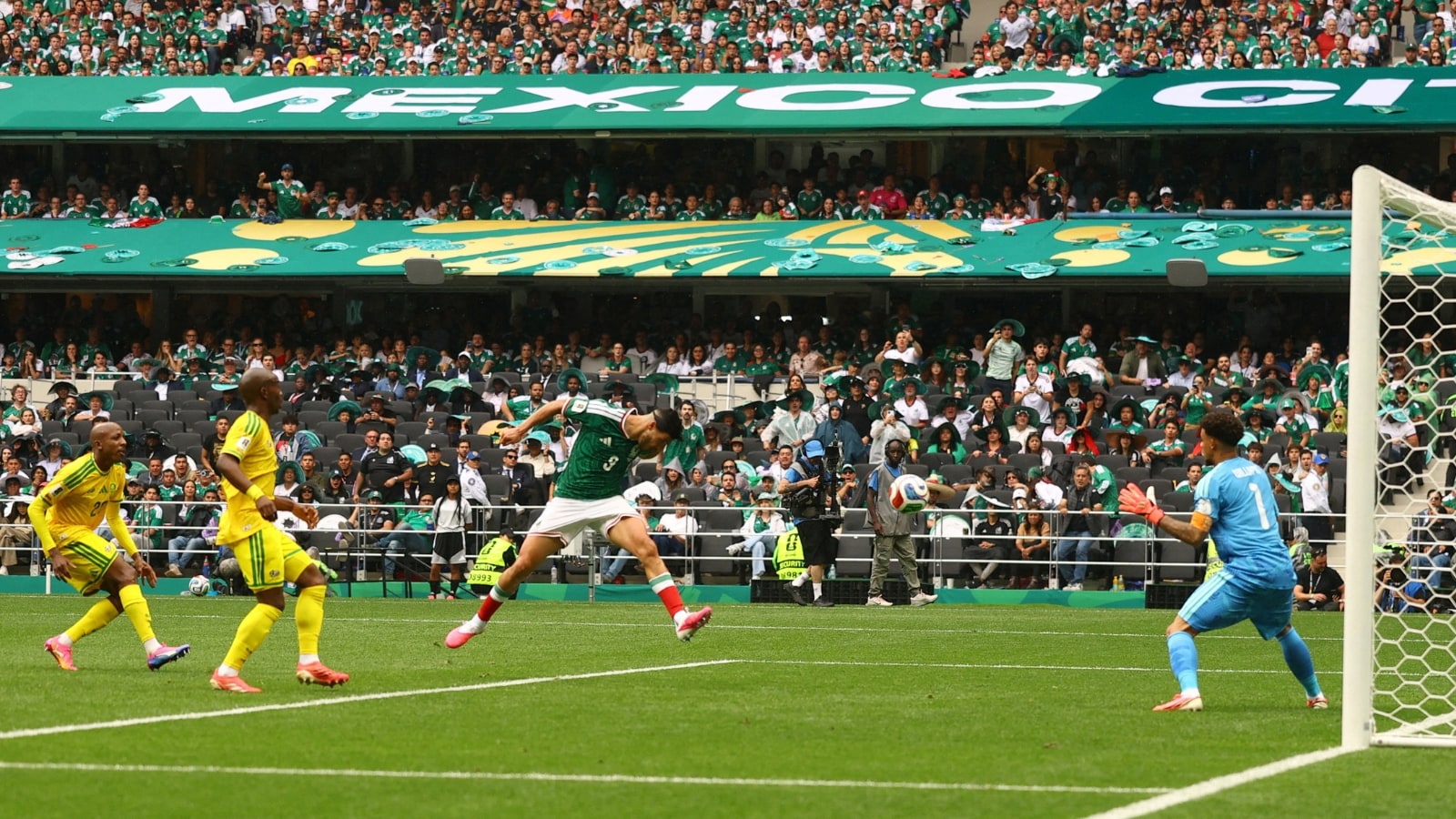
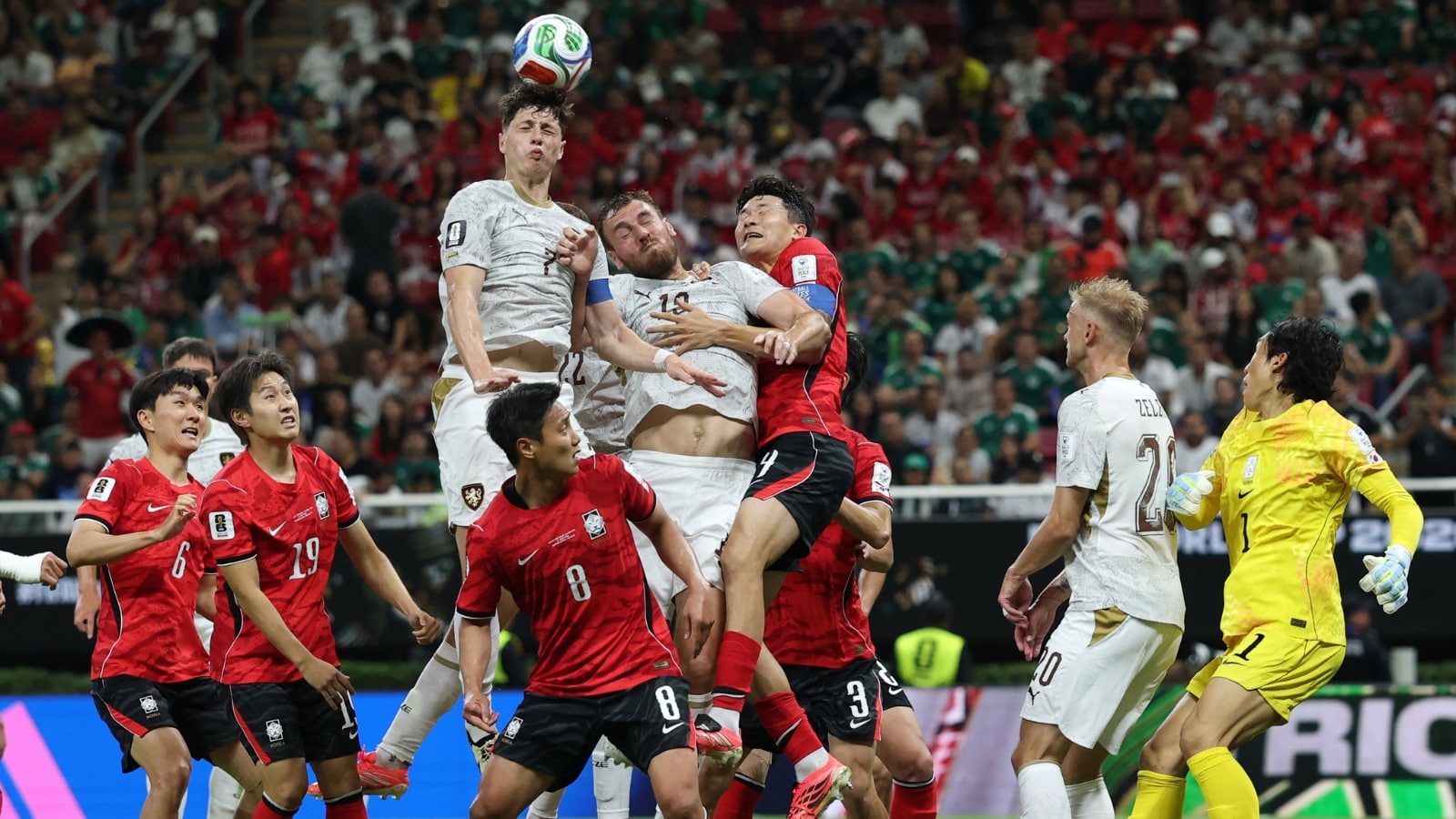
The grass at the Estadio Azteca does not care about history, but the men standing on it do.
Late at night, when the stadium lights are dialed down to a ghostly hum, the arena smells of damp earth, crushed lime, and decades of evaporated sweat. If you stand near the center circle, the silence is so heavy it feels physical. It is the kind of quiet that makes your ears ring. For Juan Carlos Rodríguez and the executives orchestrating the opening of the 2026 World Cup, this silence is terrifying. It is the calm before a storm that will swallow three nations whole.
Outside the concrete walls of the colossus, Mexico City is vibrating. You can feel it in the soles of your shoes. The street vendors outside the coliseum aren’t just selling flags; they are selling anticipation by the kilo.
Most sports journalism treats the eve of a World Cup like a corporate product launch. Press releases detail ticket sales, transit logistics, and security protocols. They tell you that millions will watch, that billions of dollars will move through the global economy, and that the Mexican National Team is under immense pressure.
But numbers are cold. They don't sweat. They don't lie awake at 3:00 AM wondering if a lifetime of preparation will dissolve under the whistle of a single referee.
To understand what is happening in Mexico right now, you have to ignore the spreadsheets. You have to look at the hands.
The Weight of the Green Jersey
Consider Jaime Lozano. He doesn't wear a uniform anymore, but the ghost of his playing days clings to his posture. As the manager of El Tri, his job description isn't just tactical adjustment; it is soul management.
For a Mexican footballer, the national team jersey isn't made of polyester. It is made of lead. It carries the ancestral trauma of the quinto partido—the elusive fifth game—and the suffocating expectations of 130 million people who view football not as entertainment, but as a weekly referendum on national dignity.
Imagine stepping onto that pitch.
The roar of 100,000 voices isn't a cheerful sound. It is a wall of heat. It presses against your chest, making it hard to draw a full breath. In the locker room, the air is thick with wintergreen rub and tension. Players tie their boots with meticulous, obsessive care. Double knots. Always the left foot first. Superstition is the only defense mechanism left when logic dictates that the pressure should crush you.
The internal locker room conversations right now aren't about formations or defensive blocks. They are about legacy. Veterans look at the younger squad members—players who were children the last time Mexico hosted a major tournament shift—and they don't see teammates. They see custodians of a flame.
There is a specific kind of vulnerability that comes with knowing your entire life’s work will be judged in 90-minute increments. If they win, they are gods. If they lose, the silence that greets them back at the team hotel will be louder than any stadium chant.
The Architects of the Invisible
While the players wrestle with destiny, another group of people is operating in a state of high-wire anxiety. These are the organizers.
A World Cup does not just happen. It is a logistical monster that requires thousands of moving parts to align with microscopic precision. Think of it like a theater production where the stage is an entire country, the actors are unpredictable athletes, and the audience is the entire planet.
Let’s create a composite figure to understand this side of the coin: call her Elena. She is a logistics coordinator who hasn't slept more than four consecutive hours since April. Her clipboard is a map of potential catastrophes. Will the VIP transport buses clear the traffic on the Periférico? Will the digital ticketing system hold up under a sudden surge of half a million simultaneous users?
To Elena, the tournament isn't a game. It is a grid.
+-------------------------------------------------------------+
|               THE ANXIETY GRID (ORGANIZER VS. PLAYER)        |
+---------------------------+---------------------------------+
| THE ORGANIZER             | THE PLAYER                      |
+---------------------------+---------------------------------+
| Wi-Fi bandwidth stability | The trajectory of a cross       |
| Custom checkpoint delays  | The referee's blind spot        |
| VIP seat allocation       | A hamstring twitching at min 70 |
| Broadcast feed latency    | The weight of a nation's hope  |
+---------------------------+---------------------------------+
The organizers are hyper-aware that the world is watching with a critical eye. This isn't just about football; it’s a global showcase of modern Mexico. The slick, shiny infrastructure must clash perfectly with the raw, chaotic energy that makes the country beautiful. The pressure on the suits is different from the pressure on the shirts, but it leaves the same gray hairs.
The Geometry of Hope
When the opening whistle blows, all that corporate anxiety and tactical overthinking will evaporate. The game reduces everyone back to childhood.
Football has an odd way of flattening social structures. In the stands of the Azteca, a billionaire tech executive will find himself hugging a mechanic from Iztapalapa because a ball crossed a white line painted on grass. For a month, the normal rules of society are suspended. The only currency that matters is belief.
That is the emotional core the standard media reports miss. They talk about "fan engagement" and "market penetration." What rubbish.
What they should be talking about is the kid in Veracruz who spent three months saving up for a replica jersey, or the grandmother who lights a candle in front of a picture of Saint Jude, praying not for health or prosperity, but for a clean sheet against the opponent.
This tournament is a mirror. It forces a culture to look at its own passion, its own flaws, and its own capacity for joy. The absolute emotion being reported from the training camps isn't hype generated by a PR department. It is the genuine, terrifying realization that the curtain is up, the lights are on, and there is nowhere left to hide.
The ball is round. The pitch is green. The clock is ticking toward zero.
Deep in the bowels of the stadium, a worker pulls a lever, and the floodlights snap awake, drowning the grass in a blinding, artificial noon. The silence is officially over.