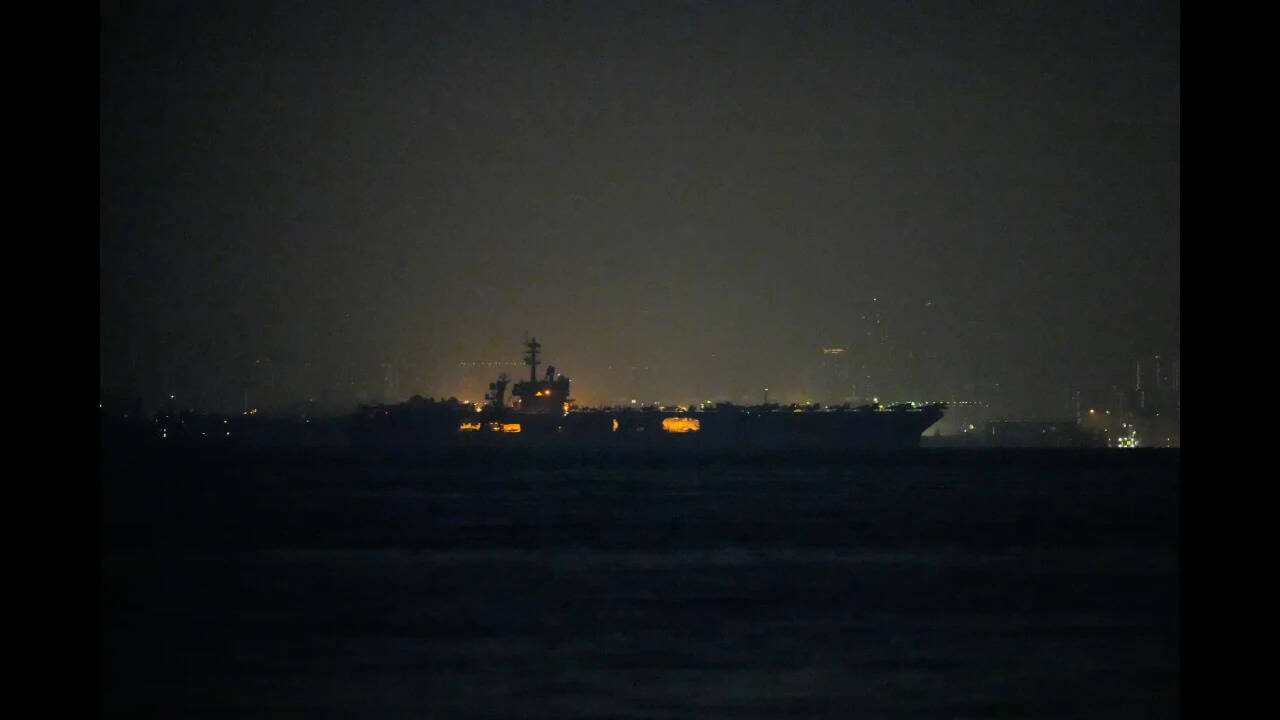
When a massive nuclear-powered aircraft carrier drops anchor off the coast of Thailand, local economies brace for an influx of thousands of sailors with money to burn. The recent arrival of the USS Abraham Lincoln carrying roughly 5,000 service members to Pattaya triggered an immediate and aggressive response from Thai authorities. Heavy police raids targeting entertainment venues and sex work operations surged across the city almost overnight.
This friction reveals a long-standing tension between municipal survival and strict moral policing. On one side sits a multi-million-dollar nightlife industry designed to cater to visiting foreign military personnel. On the other side stands a state apparatus eager to project an image of lawful order and moral reform to international observers.
The Economics of Port Visits
Every time a carrier group pulls into the Gulf of Thailand, regional supply chains shift into overdrive. Bars, hotels, restaurants, and transport networks rely on these brief port calls to recover from economic slumps. A single weekend can inject millions of dollars into local businesses.
Yet this economic lifeline operates largely within an informal legal gray zone. Prostitution remains illegal under Thai law, despite the undeniable presence and open operation of entertainment zones across Pattaya and Bangkok. Law enforcement usually maintains a pragmatic tolerance toward the industry during normal periods.
When foreign navies arrive, that unwritten tolerance shifts. High-profile visits attract global media scrutiny. Human rights monitors, foreign embassies, and domestic conservative factions suddenly focus their lenses on Pattaya's nightlife.
The Anatomy of a Crackdown
Authorities respond with predictable theater. Raids are staged, minor infractions are magnified, and officials hold press conferences highlighting arrests and venue inspections. These operations serve a distinct bureaucratic function. They demonstrate to critics that the government actively regulates vice and prevents illegal exploitation.
Behind the flashiness of these raids, the structural reality remains largely untouched. Business owners often receive subtle warnings before enforcement actions occur. The underlying infrastructure of the nightlife economy adapts, pauses briefly, and resumes operation once the carrier departs and the cameras turn away.
Public Relations Versus Practical Reality
The gap between official policy and street-level execution defines modern Thai law enforcement. Publicly, the state maintains a zero-tolerance stance on human trafficking and commercial sex work. Practically, the sheer scale of the industry makes total eradication impossible without crippling local commerce.
Municipal leaders walk a tightrope. Push too hard against the nightlife sector, and local business associations protest the loss of vital revenue. Push too softly, and central government authorities accuse local police of corruption or negligence. The recent sweeps targeting areas frequented by sailors from the USS Abraham Lincoln represent this performative compromise.
The Sailors Perspective
For the average 19-year-old sailor spending months at sea in cramped quarters, a port call represents the ultimate decompression. Shore leave is tightly regulated by naval command, with specific curfews and restricted zones. Despite these barriers, the pull of Pattaya is legendary in naval folklore.
Naval authorities issue strict behavioral briefings before liberty is granted. Service members are warned about local scams, legal pitfalls, and the health risks associated with the local sex industry. Despite these warnings, the convergence of thousands of young adults with disposable income and local vendors eager for cash creates predictable friction points.
Historical Precedents in the Gulf
This dynamic is not new. Decades of port visits have established a cyclical pattern of behavior between the United States Navy and Thai resort cities. From the Vietnam War era onward, R and R stops transformed sleepy fishing villages into global hubs of commercialized leisure.
The legal frameworks governing these interactions have evolved slowly, but the fundamental economic pressures remain identical. Whenever a supercarrier appears on the horizon, the local authorities initiate their dance of regulatory posture.
Structural Hypocrisy and Foreign Pressure
International bodies frequently pressure the Thai government to curb illicit economies. Human rights organizations point to systemic vulnerabilities within the entertainment sector, including labor exploitation and undocumented migrant workers.
These external critiques force the hand of local policymakers. Raids intensify not because domestic sentiment suddenly shifted toward moral purity, but because international compliance ratings and diplomatic standing are at stake. When Western warships dock, the spotlight shines brightest on Thailand's labor and vice laws, leaving officials scrambling to present a sanitized facade.
Ultimately, the heavy-handed policing accompanying the USS Abraham Lincoln deployment changes very little about the underlying mechanics of Pattaya. The raids provide temporary cover for officials, satisfy external critics for a fleeting news cycle, and preserve the delicate balance between illegality and economic survival until the next ship arrives.