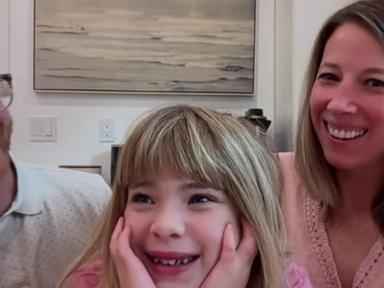
Most awareness days pass by in a blur of pastel graphics and forgotten hashtags. You scroll past a ribbon, feel a quick pang of sympathy, and move on to your next email. World Sanfilippo Awareness Day isn't like that, and treating it like a standard PR campaign completely misses the point.
Observed every November 16, World Sanfilippo Awareness Day exists because children are running out of time while the rest of the world remains almost entirely unaware that Sanfilippo syndrome even exists. Often called "childhood Alzheimer's," this rare, fatal genetic disorder slowly robs kids of their ability to speak, walk, and eat. There's currently no FDA-approved cure. None.
When a disease affects roughly one in 70,000 births, pharmaceutical giants don't naturally line up to fund the early research. Families have to become scientists, fundraisers, and lobbyists overnight just to keep clinical trials alive. That's the real story behind November 16, and it's why understanding the biology, the diagnostic delays, and the grassroots research push matters far more than sharing a generic social media graphic.
Why Sanfilippo Syndrome Is Called Childhood Alzheimer's
If you've never heard of Sanfilippo syndrome—medically known as Mucopolysaccharidosis type III, or MPS III—you aren't alone. Even many pediatricians go their entire careers without seeing a single case. Yet the comparison to Alzheimer's disease isn't just a dramatic media hook. It's an accurate description of what happens inside a child's brain.
Sanfilippo syndrome is an inherited metabolic disorder caused by a missing or defective enzyme. Specifically, the body lacks the specific lysosomal enzyme needed to break down a complex sugar molecule called heparan sulfate. Think of lysosomes as the cellular recycling centers of your body. Without the right enzyme, heparan sulfate doesn't get cleared out. Instead, it piles up inside cells, particularly in the central nervous system.
The buildup is toxic. Over years, it causes progressive, widespread neurodegeneration.
Here's what makes the condition so devastating for parents to watch. Babies with Sanfilippo syndrome are typically born looking completely healthy. They hit early milestones—smiling, rolling over, saying their first words. Then, usually between ages two and six, things start to shift. Speech delays become obvious. Hyperactivity ramps up to extreme levels that don't respond to standard behavioral strategies. Sleep cycles break down completely.
Eventually, the progression reverses everything the child learned. They lose their words. They lose their motor skills. Seizures often develop, swallowing becomes dangerous, and the body gradually shuts down. Most children with the most severe forms don't survive past their late teens or early twenties.
There are actually four distinct subtypes of the condition, labeled A, B, C, and D, depending on which specific enzyme is missing:
- MPS IIIA is caused by a deficiency in heparan N-sulfatase and tends to be the most common and rapidly progressing form.
- MPS IIIB stems from a lack of alpha-N-acetylglucosaminidase, following a similar neurodegenerative path.
- MPS IIIC involves a defect in acetyl-CoA:alpha-glucosaminide N-acetyltransferase.
- MPS IIID is the rarest subtype, resulting from a deficiency in N-acetylglucosamine 6-sulfatase.
Despite the different enzyme culprits, the end result across all four types is the same relentless accumulation of heparan sulfate in the brain.
The Diagnostic Trap That Costs Families Precious Years
Ask any parent in the Sanfilippo community about their journey, and you'll hear the same frustrating story. It takes years to get an accurate diagnosis. Sometimes five, seven, or even ten years pass between the first subtle symptoms and a definitive genetic test.
Why does it take so long? Because early Sanfilippo syndrome looks almost identical to autism spectrum disorder or severe ADHD.
A three-year-old who isn't speaking clearly, struggles with social cues, and bounces off the walls at 2 AM fits the textbook profile for developmental delays or autism. Pediatricians naturally refer these kids to speech therapists, occupational therapists, and developmental specialists. Those therapies are great for managing symptoms, so families stick with them for years while the underlying cellular damage continues unchecked.
I've seen how this diagnostic blind spot creates a painful paradox. Early intervention is critical for experimental treatments like gene therapy and enzyme replacement therapy, because these approaches aim to halt further brain damage rather than reverse damage that's already done. By the time a child finally receives a Sanfilippo diagnosis—often after a doctor notices subtle physical traits like coarse facial features, thicker hair, an enlarged liver, or frequent ear and sinus infections—the window for certain clinical trials may have already closed.
Standard newborn screening panels in the United States don't universally test for Sanfilippo syndrome yet. Unless a family has a known history of the condition or pushes aggressively for whole-exome sequencing or a specific urine glycosaminoglycan (GAG) test, the disease hides in plain sight. Raising awareness among primary care doctors and parents of newly diagnosed autistic children isn't just about sympathy. It's about catching the disease early enough to qualify for life-extending trials.
How November 16 Became a Global Lifeline
World Sanfilippo Awareness Day wasn't dreamed up by a government health agency. It was built from the ground up by parents who refused to accept a terminal prognosis without a fight.
Organizations like the Cure Sanfilippo Foundation in the United States, alongside international partners across Europe, Australia, and Latin America, unified around November 16 to solve a brutal funding problem. Rare diseases suffer from an economic catch-22. Because patient populations are small, traditional venture capital and big pharmaceutical companies often hesitate to shoulder the massive upfront costs of basic research and Phase 1 clinical trials.
So parents stepped into the gap.
Over the past decade, family-led foundations have raised tens of millions of dollars to de-risk the science. They fund academic labs directly, help design natural history studies so researchers have baseline data to measure drug effectiveness, and pressure regulatory agencies like the FDA to show flexibility for ultra-rare terminal conditions.
November 16 serves as the annual focal point for this ecosystem. It's the day families share raw, unfiltered videos of their daily lives—not polished charity commercials, but real footage of the sensory meltdowns, the feeding tubes, the wheelchair transfers, and the fierce joy these kids still radiate. That visibility directly translates into research dollars and clinical trial enrollment. When people actually see what childhood Alzheimer's looks like, they open their wallets and contact their representatives.
What the Science Actually Looks Like Right Now
Let's be honest about where research stands. Watching a loved one decline while waiting for science to catch up is agonizing, and the biotech landscape for rare diseases has had plenty of heartbreaks alongside its breakthroughs. Several promising programs have stalled or been shelved over the years due to funding shortages or complex manufacturing hurdles, even when early data showed biological activity.
Still, the scientific momentum around Sanfilippo syndrome is vastly different today than it was fifteen years ago. Researchers are attacking the heparan sulfate buildup from multiple angles:
- Gene Therapy. This is the approach that generates the most hope. Using a modified, harmless viral vector—usually an adeno-associated virus (AAV)—scientists deliver a working copy of the missing enzyme gene directly into the patient's cells. The goal is a one-time treatment that turns the child's own cells into factories producing the missing enzyme. Because crossing the blood-brain barrier is notoriously difficult, trials have tested both intravenous delivery and direct injection into the central nervous system.
- Enzyme Replacement Therapy (ERT). Rather than altering genes, ERT involves infusing a synthetic version of the missing enzyme directly into the body or cerebrospinal fluid on a regular schedule. The challenge here has always been getting enough enzyme past the blood-brain barrier to clear brain tissue effectively, though newer fusion-protein designs are working to ferry the enzyme across.
- Substrate Reduction Therapy (SRT). Instead of trying to replace the missing recycling enzyme, SRT uses small-molecule drugs to slow down the body's production of heparan sulfate in the first place. Less trash produced means less trash piling up in the lysosomes.
- Immunomodulation and Symptom Management. Researchers have realized that neuroinflammation plays a huge role in destroying brain cells alongside the sugar buildup itself. Clinical studies are actively testing anti-inflammatory drugs like anakinra to see if calming the brain's immune response can preserve cognitive function and improve quality of life.
None of these are guaranteed silver bullets yet. Data from small rare-disease cohorts takes years to mature, and regulatory approvals remain steep climbs. Yet every single one of those trials exists because parent advocates refused to take "there's nothing we can do" as a final answer.
Misconceptions That Hurt the Sanfilippo Community
When rare genetic diseases enter public conversation, misinformation tends to follow right behind. Clearing up a few stubborn myths makes you a much better ally to affected families.
Myth one is that parents could have prevented it easily. Sanfilippo syndrome is an autosomal recessive disorder. That means both parents must carry a silent, mutated copy of the exact same gene without having any symptoms themselves. When two carriers have a child, there's a 25% chance with every pregnancy that the child will inherit both mutated genes and develop the disease. Most parents have zero family history and no idea they're carriers until their child is diagnosed.
Myth two is that these children don't understand what's happening around them. Even after a child with Sanfilippo loses spoken language and motor control, families consistently report that their kids recognize voices, respond to music, feel affection, and sense emotional tension in a room. Talking about a child as if they're already gone while they're sitting right next to you is deeply dehumanizing.
Myth three is that small donations don't move the needle. In massive disease categories with billion-dollar federal budgets, a twenty-dollar donation feels like a drop in the ocean. In ultra-rare disease research, grassroots crowdfunding routinely pays for the exact preclinical mouse studies or toxicology screens needed to unlock a multi-million-dollar biotech partnership. Small checks literally keep labs running.
Practical Ways to Make November 16 Count
If you want to support World Sanfilippo Awareness Day beyond passively liking a post, focus on actions that create measurable leverage for families and researchers.
- Learn the red-flag symptom cluster. If you work in early childhood education, pediatrics, or therapy—or if you're a parent navigating developmental delays—pay attention when speech regression, severe sleep disturbances, and extreme hyperactivity appear alongside frequent ear infections, umbilical hernias, or slightly coarsened facial features. Suggesting a simple urine GAG screening or genetic panel to a pediatrician can shave years off a diagnostic odyssey.
- Fund the foundations driving clinical trials. Look directly at organizations funding active translational research, such as the Cure Sanfilippo Foundation or the Sanfilippo Children's Foundation. Check their published research portfolios so you see exactly which clinical trials your money supports.
- Amplify parent-created stories on November 16. Share video testimonials directly from families living with MPS III rather than generic awareness quotes. Algorithms reward authentic human video, and putting real faces in front of new audiences is how grassroots campaigns reach future donors, lawmakers, and scientists.
- Advocate for expanded newborn screening. Support rare-disease legislative initiatives like the Newborn Screening Saves Lives Reauthorization Act in the U.S. Adding lysosomal storage disorders to state screening panels is the single fastest way to catch children before irreversible brain damage occurs.
Sanfilippo syndrome takes away a child's words, memories, and independence, piece by piece. Awareness won't cure it on its own, but silence guarantees that families keep fighting this clock alone. Pick one action above, follow through today, and help buy these kids the time science needs to save them.


