The political conversation around energy in Quebec has always followed a predictable script. For years, mentioning shale gas development or hydraulic fracturing was a reliable way to sink a political campaign. Clean hydroelectricity was the untouchable crown jewel of the province, and any attempt to look beneath the ground for fossil fuels met with fierce resistance.
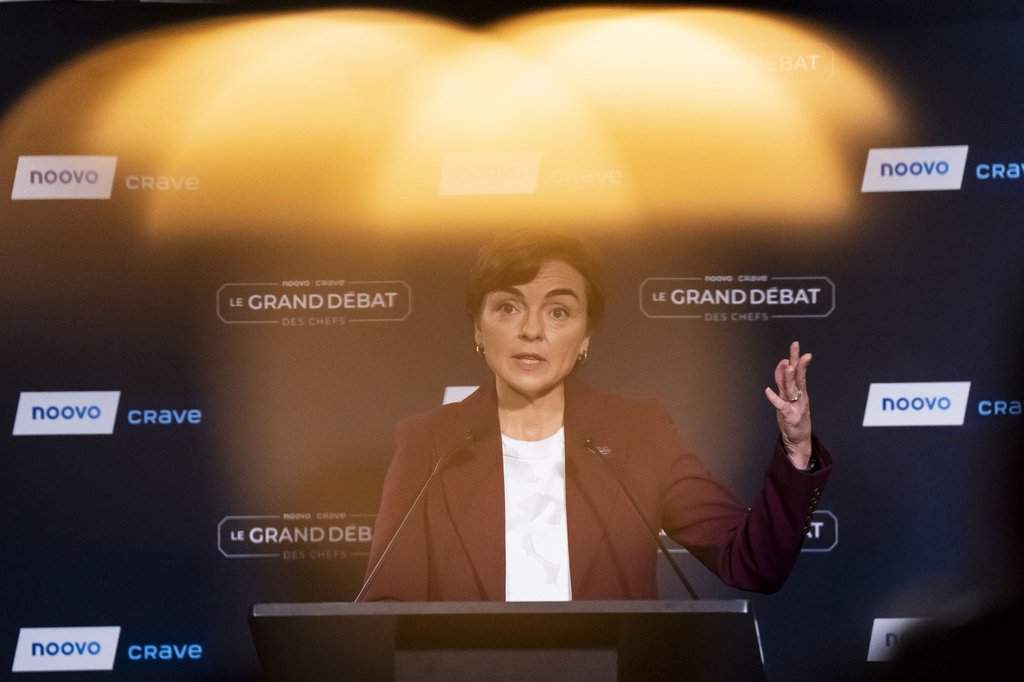
Then things shifted. During the campaign trail, Coalition Avenir Québec Leader Christine Fréchette argued that public attitudes toward fracking are starting to change. It is a bold stance in a province that formally banned shale gas exploration and production back in 2022 under François Legault. But as economic pressures mount and trade tensions loom, politicians are suddenly testing waters that used to be strictly off-limits.
The Real Driver Behind the Shift
Why would any Quebec politician touch an issue as radioactive as fracking? The answer comes down to economic anxiety and market autonomy. Recent survey data highlighted by media outlets like La Presse shows that while the population remains heavily divided on fossil fuel extraction, openness ticks upward when the conversation shifts to economic independence and navigating tight trade dynamics with the United States.
When energy security becomes a daily headline, old ideological lines start to blur. Conservative voices like Éric Duhaime have pushed hard for fossil fuel development to stimulate regional economies, forcing other parties to respond rather than ignore the debate. Fréchette walked a fine line during her announcements, noting that while she senses a growing openness among citizens, the province isn't ready to break ground immediately. She emphasized that strict guidelines and, crucially, social acceptance would be mandatory prerequisites for any future policy change.
Opposing Forces Stand Their Ground
Not everyone is buying the narrative that public sentiment is changing. Opposition parties lost no time pushing back against any suggestion that Quebec should reconsider its shale gas ban.
Québec Solidaire co-spokesperson Ruba Ghazal pointed straight back to the province's traditional strengths, arguing that true economic defense against external pressure lies in doubling down on green infrastructure. Wind power, geothermal energy, and hydroelectric abundance remain the preferred toolkit for politicians who see fossil fuels as a step backward. Other opposition groups, including the Parti Québécois and the Liberals, continue to view the prospect of fracking as an environmental non-starter.
The divide exposes a deeper conflict in modern provincial politics. On one side, leaders feel pressured to explore every domestic resource to safeguard local industries. On the other side, the cultural and political commitment to green energy remains a core identity marker that many voters refuse to compromise on.
Where the Debate Goes From Here
Fréchette’s calculated openness doesn't mean drilling rigs are about to appear in rural regions. The legal and political hurdles remain massive. Even if a government signals a willingness to evaluate the data, public pushback and stringent environmental assessments act as high-voltage fences.
What we are witnessing isn't an immediate pivot in energy policy. It's a symptom of a broader political recalculation. Leaders are testing how much economic pragmatism voters will tolerate when the future feels uncertain.
Keep an eye on how parties handle regional resource development as energy demands evolve. The debate over what lies beneath Quebec's soil is far from settled.
Christine Fréchette ready to reopen the shale gas issue
This video provides additional context regarding Christine Fréchette's initial statements on re-evaluating shale gas exploration in Quebec.