Security doesn't break all at once. It frays quietly in the background while everyone looks the other way. When counter-terrorism police swarm quiet rural lanes near a major military installation, the illusion of geographic immunity shatters instantly. That is precisely what happened when investigations locked onto RAF Fairford, sending shockwaves through British intelligence and exposing a terrifying reality about modern state-sponsored threat networks operating on home soil.
If you thought domestic security was simply a matter of tracking lone-wolf extremists online, you missed the entire plot. Modern threats look less like isolated radicals and more like corporate logistics chains. They involve rented vans, smuggled fuel, coded jailhouse phone calls, and international proxy commanders pulling levers thousands of miles away.
The Anatomy of a High-Stakes Target
RAF Fairford isn't just an airstrip. Located about one hundred miles west of London in Gloucestershire, this base has served as a strategic staging ground for American long-range bombers during decades of foreign conflicts. When foreign adversaries want to send a message, they don't target a random street corner. They go after infrastructure that anchors allied military power.
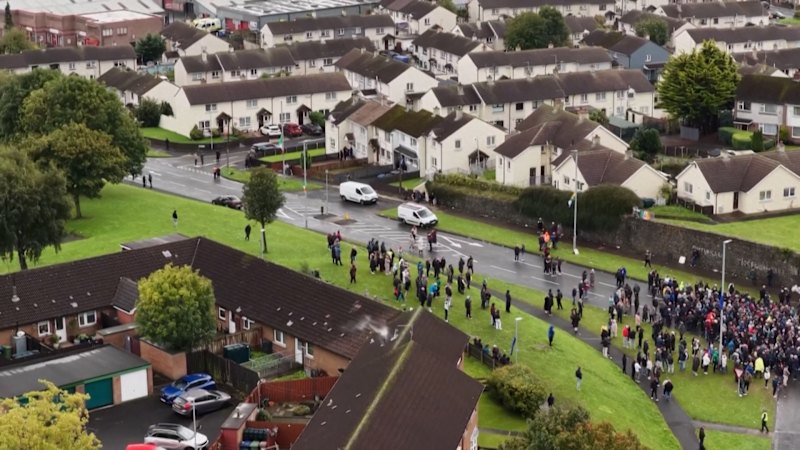
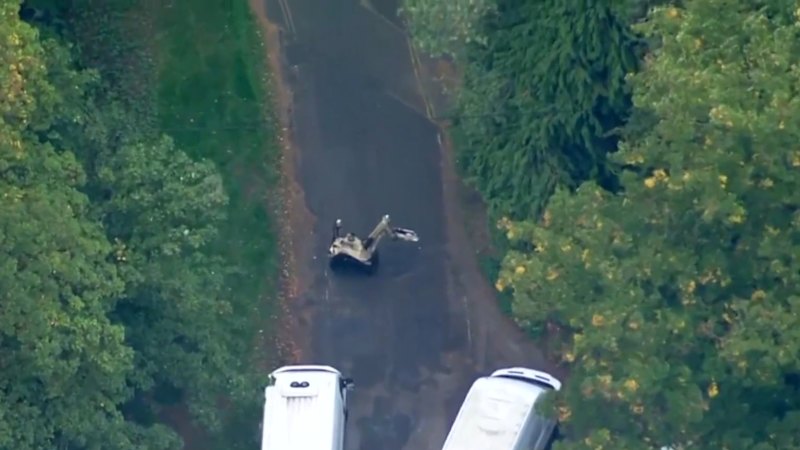
Back in late September, local residents near the base watched in disbelief as armed police and bomb-disposal squads cordoned off roads. Vans parked near the perimeter gates weren't carrying explosives at first glance, but investigators uncovered containers of petrol stashed inside. That detail alone changes how security analysts view low-level tradecraft. Operatives don't always need sophisticated military-grade ordnance to cause catastrophic damage. Sometimes, basic arson and local logistics are enough to light a base up like a Christmas tree.
The subsequent arrests swept up a handful of men in their twenties, all local UK nationals, before the net widened. The investigation didn't stay local for long. It stretched across borders, involving international intelligence sharing that ultimately culminated in sweeping federal indictments out of the United States.
Beyond the Lone Wolf Myth
Governments love the narrative of the lone actor because it is easy to contain conceptually. One troubled individual gets radicalized online, acts alone, and gets caught or neutralized. But reality is much messier. The indictments unsealed by the U.S. Department of Justice exposed a sprawling network orchestrated by foreign actors tied to groups like Kata'ib Hizballah and Iran's Islamic Revolutionary Guard Corps.
Think about how these conspiracies actually function. You have commanders sitting in foreign detention facilities or safe houses, communicating with relatives through coded jailhouse phone calls. They talk about work. They ask whether old assignments have been canceled or merely paused. Family members pass money along to operatives on the ground. It operates with the cold efficiency of a criminal syndicate rather than a passionate ideological movement.
When prosecutors detail how an imprisoned commander directed operatives to target European sites and military installations in retaliation for regional conflicts, the scale becomes staggering. We are talking about dozens of planned attacks across multiple countries. The UK plot wasn't a random aberration. It was one node in a massive, coordinated campaign designed to bleed allied resources and test the resilience of domestic law enforcement.
The Legal Tightrope of the National Security Act
Catching these suspects is only half the battle. Prosecuting them exposes glaring gaps in traditional counter-terrorism legislation. For years, British authorities relied heavily on conventional terrorism laws that required proof of specific ideological motivations or membership in proscribed groups. But modern state-backed operatives often use deniable layers of local proxies—criminals, fixers, and opportunists who might not care about the geopolitical cause as long as the cash clears.
This is why the application of laws like the National Security Act 2023 matters so much. These modern legislative tools target covert state activity, espionage, and foreign interference directly. When police rearrested suspects and slapped them with charges under this framework, it signaled a shift in strategy. Authorities are no longer waiting for a bomb to detonate before acting. They are choking off the infrastructure of state-backed sabotage at the earliest possible stage.
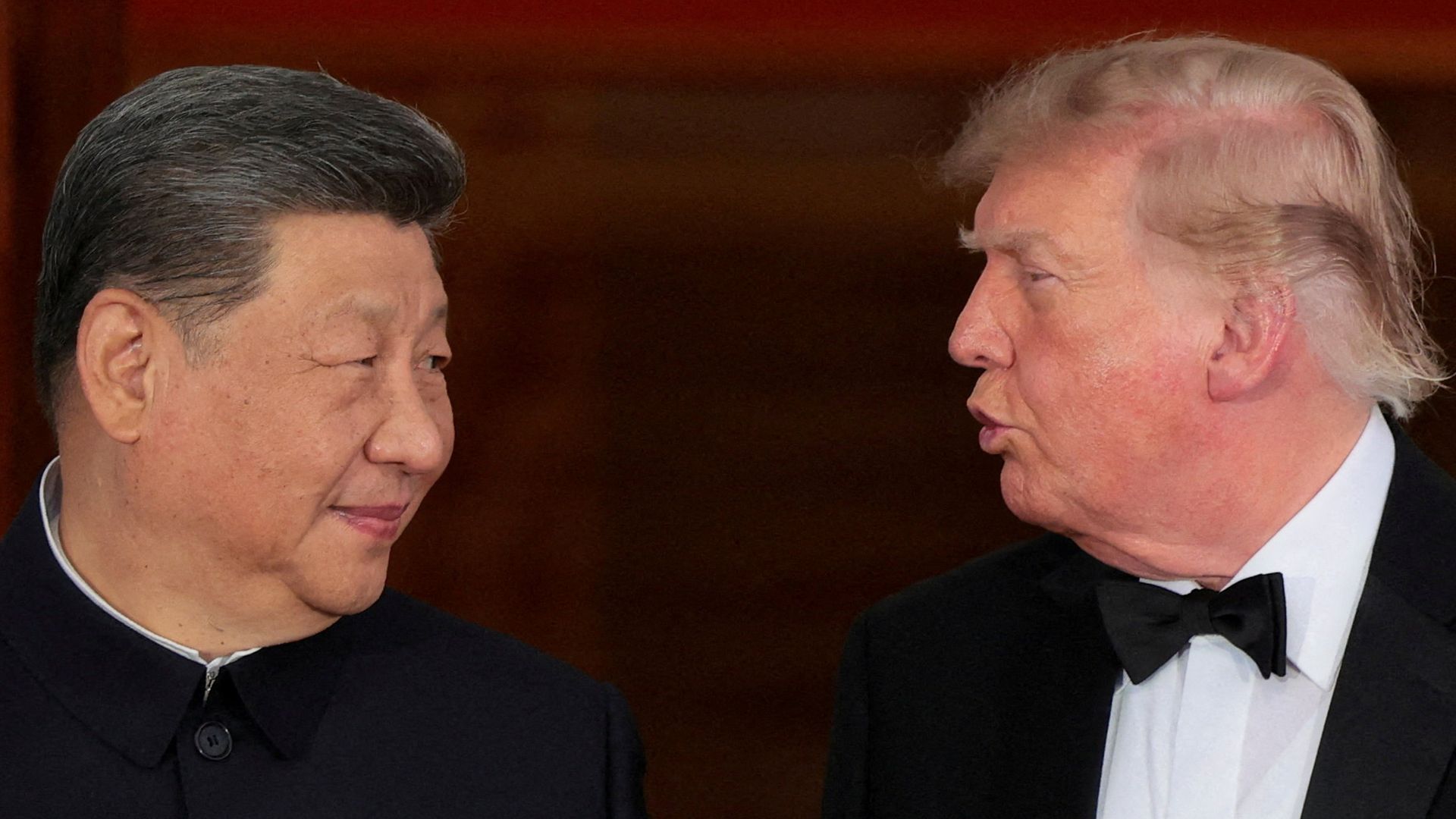
Yet, public trust hangs by a thread. When multiple suspects are arrested in dramatic fashion, only to be released on police bail days later while investigations crawl forward, citizens get anxious. Critics ask hard questions about competence and communication. President Trump and other high-ranking officials openly voiced frustration over the handling of suspects released on stringent conditions, highlighting the friction between allied intelligence priorities and domestic legal constraints.
The Financial Footprint of Terror
You cannot run a multi-national terror campaign on enthusiasm alone. Money moves the machine. The unsealed federal documents revealed a sordid trail of cash transfers, where jailed operatives instructed relatives to fund field agents handling the logistics.
Tracing these funds requires forensic accounting on a global scale. Intelligence agencies must track cryptocurrency, hawala networks, and cash handoffs that blend seamlessly with legitimate remittance flows. When financial enablers get arrested, the entire local cell loses its momentum. That is why counter-terrorism policing has evolved into an alliance between beat officers, cyber units, and financial crimes investigators. If you want to stop the next attack on an air base, follow the bank accounts, not just the suspicious vans.
Living With Persistent Vulnerability
Let's be completely honest with ourselves. Perfect security does not exist. You can harden perimeter fences, increase armed patrols around military bases, and monitor every communication channel, but determined adversaries will always look for the weakest link.
The insider threat remains the most persistent ghost in the machine. Whether it is a compromised service member handling sensitive intelligence or a local civilian recruited through encrypted messaging apps to drop off supplies, human vulnerability is impossible to patch completely. Intelligence agencies know this. That is why counter-intelligence operations have ramped up dramatically, urging personnel to report unusual behavior immediately.
The events surrounding the RAF Fairford investigation serve as a harsh wake-up call. The threats we face are adapting faster than our bureaucratic systems can keep pace. We are living through an era where geopolitical conflicts thousands of miles away can instantly manifest as a parked van filled with fuel outside a sleepy English village. Ignoring these warning signs is no longer an option. The frontline is no longer abroad; it is right outside your local base, managed by operatives who are waiting for you to look away.