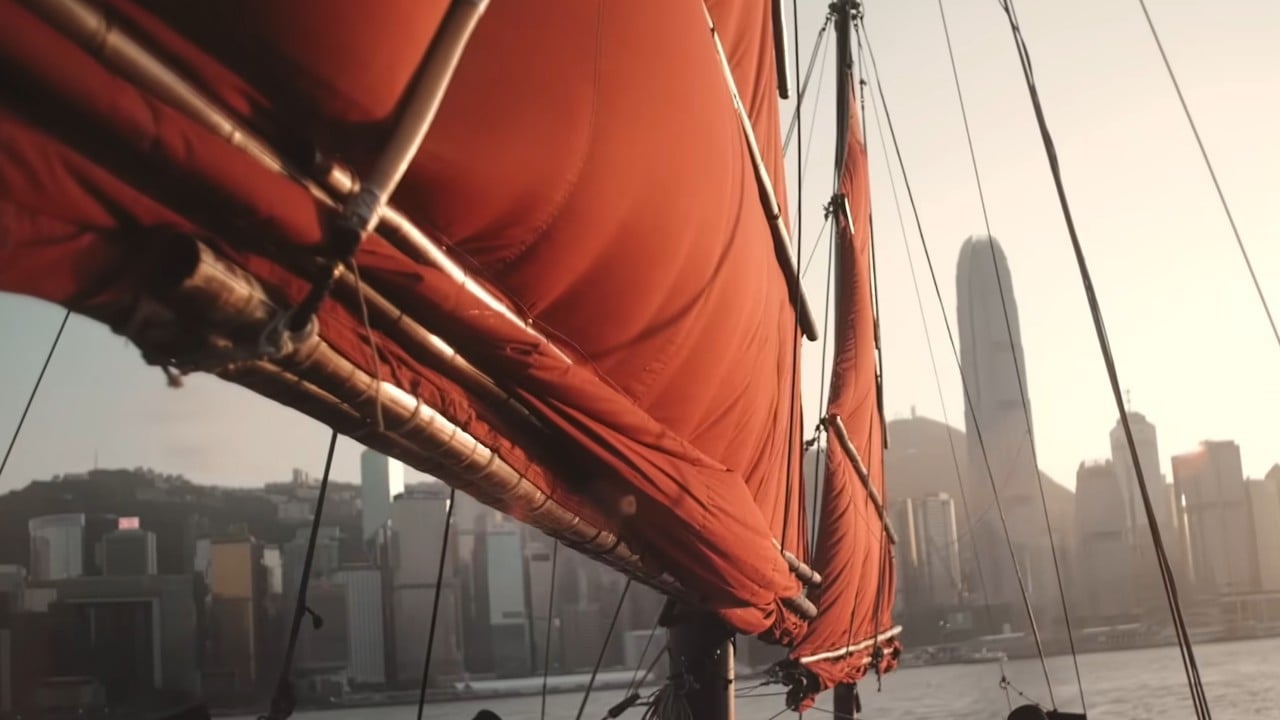
The Hong Kong Tourism Board just retired its post-pandemic greeting card. The optimistic but empty slogans have been replaced by a heavy marketing bet called Only in Hong Kong. This new campaign pivots away from simple sightseeing to pitch the city as an emotional experience to be felt through local textures, gritty street scenes, and ordinary moments. The strategy addresses a structural challenge. Tourism numbers look healthy on paper, but the underlying economics and global perceptions have shifted dramatically, forcing a desperate chase for high-spending travelers who want more than just a quick selfie by the harbor.
The Post Pandemic Numbers Game
A superficial glance at the data suggests a complete recovery. Hong Kong welcomed 26.7 million visitors in the first six months of 2026. This represents a 13 percent increase year on year, driven largely by mainland Chinese travelers. Learn more on a similar topic: this related article.
Yet retail cash registers tell a different story. The visitors arriving today are not the luxury shoppers of the previous decade. A strong local currency has pinned the Hong Kong dollar to a dominant US dollar, making dining, lodging, and retail remarkably expensive compared to regional rivals like Japan or Thailand. Visitors are walking the streets, but they are spending less per head.
The old playbooks are obsolete. For decades, the city relied on its reputation as a duty-free shopping paradise. Now, mainland consumers can buy the same luxury goods in Hainan without crossing a border. To survive, the city must sell something that cannot be shipped in a cardboard box. Additional journalism by National Geographic Travel highlights similar perspectives on the subject.
Packaging Grit as Glamour
The new campaign relies on raw authenticity rather than polished corporate brochures. The visuals emphasize heavy contrasts. Quiet beaches, crowded Sham Shui Po electronics markets, backyard mahjong games, and the iconic Star Ferry are presented with a documentary aesthetic.
Marketing officials have even mapped this strategy onto a hyper-specific palette of 16 local colors. They include Ding Ding Green to honor the historic tramways and Kai Tak Stadium Lavender to point toward a newly built mega venue.
It is a clever execution. It is also an admission of vulnerability. By telling travelers to feel the city instead of just looking at it, marketing executives are attempting to distract from the reality that the city's physical and political landscape has evolved permanently.
The Regional Currency Trap
No amount of clever copywriting can rewrite macroeconomic realities. Tourism operators face immediate, practical headwinds.
- The exchange rate disadvantage: The strength of the local dollar hurts competitiveness against destinations utilizing a weak yen or baht.
- The cost of hospitality: Labor shortages in local service sectors keep hotel room rates high while service standards struggle to match pre-pandemic heights.
- The structural shift in nightlife: Traditional nightlife districts like Lan Kwai Fong are experiencing a transformation as mainland day-trippers head back across the border before midnight.
Western arrivals remain sluggish compared to domestic and regional traffic. To lure long-haul travelers back across the Pacific or Europe, a quirky color palette will not suffice. The city needs to prove it remains an open, vibrant international hub.
Chasing the Business Elite
The true test of this rebranding will not happen on Instagram feed algorithms. It will happen in convention centers.
The local government is heavily subsidizing mega events, tech conferences, and financial summits for the latter half of 2026. The goal is simple. If a business traveler can be convinced to bring their family, extend their stay by three days, and book a luxury suite, the economic yield skyrockets.
These high-net-worth individuals are the real targets behind the sensory marketing push. They do not want curated tours. They want to drink at internationally recognized speakeasies, hike the Dragon’s Back trail, and feel like they are inside a cinematic masterpiece.
The Execution Risk
Every advertising push carries an inherent danger. The narrative must match the ground reality.
If a traveler lured by promises of a warm, quirky, and welcoming culture encounters stressed retail staff, long queues, and inflated restaurant bills, the illusion shatters. Advertising can spark an initial booking. Only the daily reality of the streets can secure a repeat visitor.
Hong Kong is no longer the effortless crossroads of Asia. It is a city working twice as hard to retain its identity while convincing a cynical global audience that its magic remains intact.