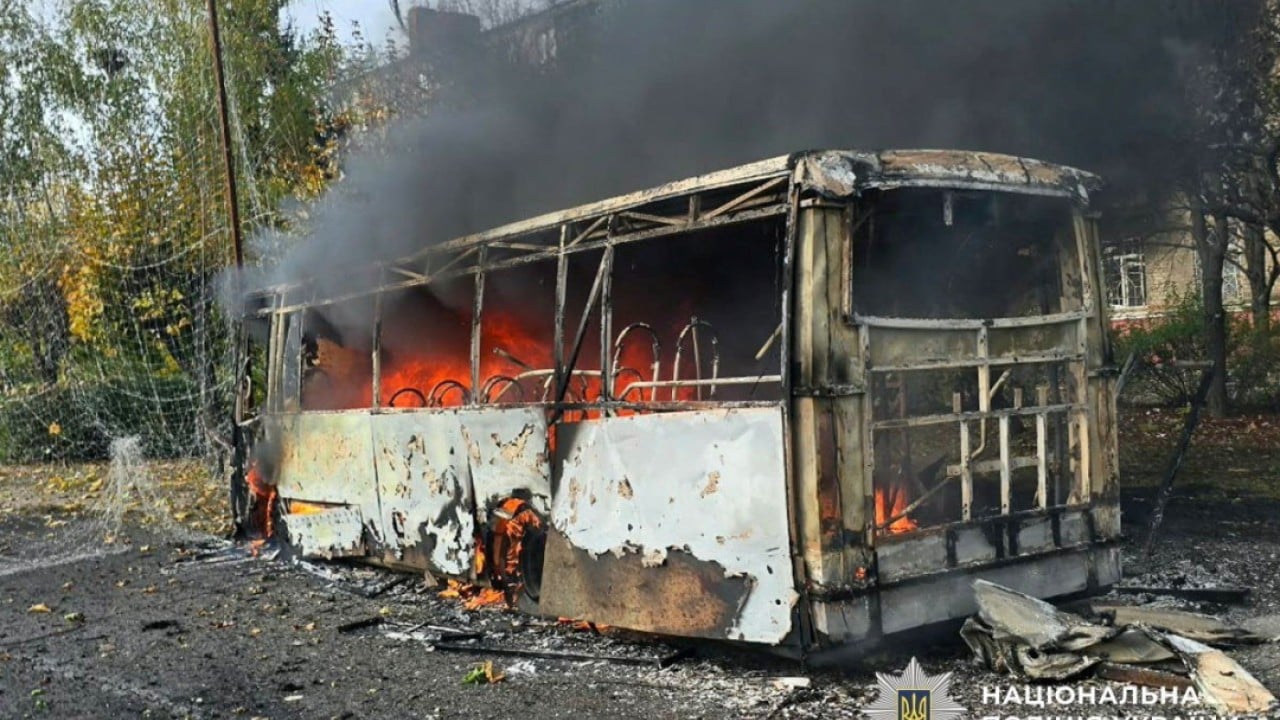
Every single headline following a strike in the east follows the exact same pathetic template. A number drops. A city name gets dragged across the screen like a ticker tape. Pity is harvested. Outrage is bottled and sold. Then the news cycle pivots to the next crater.
Stop counting the dead if you want to understand why this war refuses to end.
When an explosion rips through a logistics hub or a garrison town in the Donbas, the Western press treats it like a standalone tragedy, a moral atrocity detached from the cold calculus of attrition. They want you to look at the rubble. They want you to feel the grief. They do not want you to look at the ledger.
Because while everyone is busy arguing over the immediate casualty figures, the actual mechanics of this conflict are grinding along entirely different tracks.
The Arithmetic of Attrition Always Wins
We are fed a steady diet of tactical moralism. Every tactical engagement is judged by its immediate human toll rather than its structural impact on the campaign. This is a profound category error.
Attrition warfare is not a series of moral infractions; it is a brutal math problem. When a bomb drops on an eastern stronghold, the conventional analysis laments the loss of life and moves on. The strategic reality is entirely separate. Both command staffs are running calculations that make your stomach turn. They are balancing burn rates of artillery barrels, air defense interceptor stocks, mobilization pools, and railhead capacity.
I have watched strategists in secure rooms map out these exact resource drains. They do not look at a crater and see a tragedy first; they see a logistics bottleneck. That is not psychopathy. That is the grim baseline of industrial-scale state conflict. When you ignore the logistics and focus solely on the daily body count, you are watching a magic trick. You are looking at the waving hand while the other hand empties the treasury and hollows out the demographic future of an entire continent.
The lazy consensus claims that every single strike brings us closer to a breaking point, a psychological tipping point where the population simply says enough. History proves the exact opposite is true. External violence against a population under siege rarely triggers surrender. It triggers consolidation. It hardens the perimeter. It gives the political leadership on both sides the exact fuel they need to demand another round of mobilization.
Why the Stronghold Myth Keeps People Blind
We need to talk about the fetishization of the word stronghold.
Every town with a crossroads and a concrete cellar gets branded as a vital fortress in the media narrative. It creates a psychological trap. If it is a stronghold, it must be defended to the last brick. If it falls, the domines are falling.
This is theatrical nonsense designed for evening broadcasts. Modern high-explosive ordnance and precision-guided glide bombs have rendered traditional static defense obsolete. A basement in an eastern industrial town is not a fortress; it is a target with a pre-calculated GPS coordinate.
When military planners talk about holding ground, they are usually lying to the politicians, or the politicians are lying to the public. Ground has no intrinsic value in a war of systems unless it anchors a broader defensive depth or protects an operational pivot. Clinging to ruins because abandoning them looks bad on a evening map graphic is how you turn a tactical retreat into a strategic disaster.
The obsession with named strongholds blinds observers to the real battlefield: the supply lines operating fifty miles behind the front. You can level every building in an eastern hub, but if the rail spurs are repaired within forty-eight hours, the bomb was nothing more than an expensive fireworks display. Conversely, you can leave a town untouched, starve its fuel depots, and watch the entire garrison wither away in place.
The Moral Hazard of Outrage Fatigue
We are currently sleepwalking through a crisis of empathy dilution.
When every single blast is reported with maximum hyperbole, the human brain adapts. It builds scar tissue. After three years of continuous catastrophe, the consumer of international news hits a wall of numbness. The numbers become abstract. Thirty-three dead, fifty dead, a hundred dead—they blur into a homogenous gray sludge of suffering that washes over morning coffee and disappears by lunch.
This is the direct result of lazy journalism. By refusing to explain why a strike happened, how the supply chains are adapting, and what the actual military trade-offs were, the media reduces a complex geopolitical earthquake to a recurring weather report.
If you want to understand why these strikes keep happening with grim regularity, stop looking at the moral register and look at the industrial capacity underneath it. Both sides are locked in a structural death spiral. One side relies on sheer mass and the ability to absorb staggering material losses. The other relies on technological overwatch and external life support.
A bomb blast in a stronghold is not a turning point. It is Tuesday. It is a data point in a protracted spreadsheet of mutual exhaustion.
Until we stop treating these events as isolated moral shocks and start analyzing them as predictable symptoms of a broken security architecture in Eastern Europe, we will remain completely blindsided by whatever comes next. The numbers will keep climbing. The ruins will keep piling up. And the armchair analysts will keep acting surprised every single time gravity does what gravity always does.