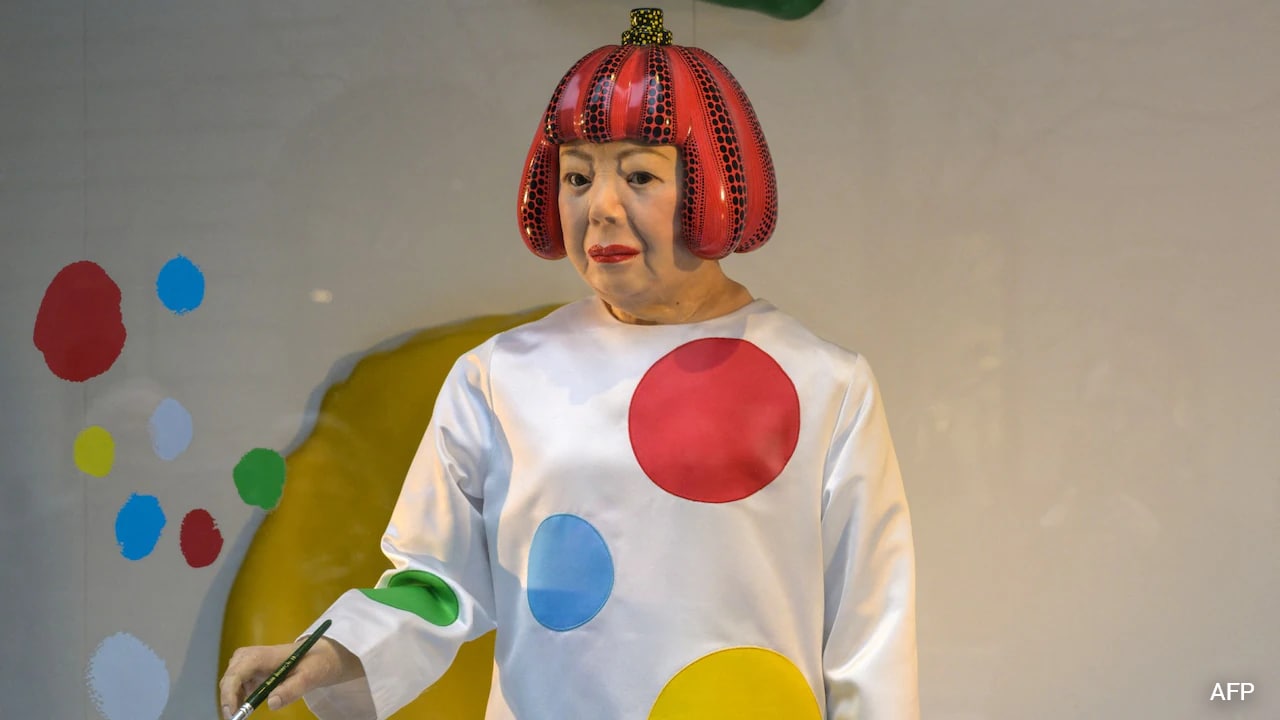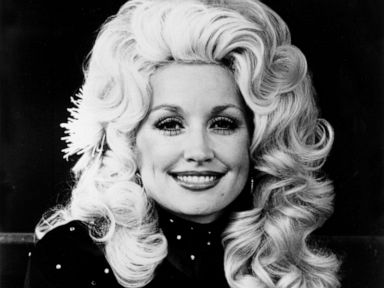
Dolly Parton spent six decades proving that an exterior of rhinestones and theatrical exaggeration could shield a razor-sharp corporate mind. While photo galleries and nostalgic retrospectives often reduce her extraordinary run to a timeline of changing hairstyles and sequined stage costumes, the reality of her influence spans shrewd copyright ownership, heavy industrial enterprise, and a billion-dollar philanthropic footprint. Behind the iconic image stood an architect who understood how to protect her assets long before modern artists discovered the value of independent publishing.
The Copyright Masterclass
Long before contemporary pop stars began re-recording their catalogs to regain control of their masters, a young songwriter from the Smoky Mountains quietly secured the most vital asset in the entertainment business. Parton did not just write roughly three thousand songs; she owned them. When Elvis Presley wanted to record "I Will Always Love You" in 1974, Colonel Tom Parker demanded half of the publishing rights as a standard industry condition. Parton said no.
That single refusal protected a financial engine that would fund her entire independent operation for decades. Two decades later, when Whitney Houston's soaring rendition dominated global airwaves, the ensuing royalties flowed directly back to Parton's privately held publishing company, Velvet Apple Music. It was a masterclass in business foresight executed by an artist whom corporate Nashville initially tried to package as a standard, compliant pop singer.
The strategy extended far beyond music publishing. When Parton partnered to open Dollywood in Sevier County, Tennessee, in 1985, she did not merely lend her name for a licensing fee. She retained a fifty percent ownership stake, turning a regional attraction into a massive economic anchor that employs thousands of Appalachians and draws millions of annual visitors.
Weaponizing the Caricature
Parton famously remarked that it cost a lot of money to look as cheap as she did. That self-deprecating wit masked a calculated defense mechanism. In executive boardrooms dominated by men who underestimated her rural upbringing, her hyper-feminine, cartoonish presentation acted as camouflage.
Competitors and executives frequently made the fatal error of assuming that theatrical glamor indicated a lack of commercial acumen. Parton weaponized that miscalculation. She once noted in a television interview that she looked like a woman but thought like a man, observing that by the time people realized she understood every financial detail of the transaction, she had already secured the capital and departed.
This calculated juxtaposition allowed her to navigate the notoriously predatory Nashville machine of the 1960s and 1970s. While peers lost control of their recording legacies to corporate takeovers and unfavorable label contracts, Parton built a vertically integrated portfolio that spanned film production via Sandollar Productions, publishing, hospitality, and merchandising.
Institutional Philanthropy Without Pretense
Unlike modern corporate philanthropy driven by public relations algorithms, Parton's charitable infrastructure grew directly from personal memory. Her father's inability to read inspired the Imagination Library in 1995, a program that expanded from a local Sevier County initiative into an international publishing juggernaut distributing hundreds of millions of free books to children under five.
She bypassed traditional bureaucratic friction by funding her initiatives directly and acting swiftly during regional crises. When catastrophic wildfires devastated her home county in 2016, her My People Fund distributed direct monthly financial relief to displaced families within weeks, entirely managed by her foundation. Later, her strategic one-million-dollar contribution to Vanderbilt University Medical Center helped underwrite early research for the Moderna COVID-19 vaccine, proving her investment radar extended deep into scientific innovation.
The enduring cultural footprint of Dolly Parton is not found in static photo archives or superficial retrospectives of her wardrobe. It rests entirely on an ironclad refusal to surrender ownership of her creative output, combined with an unmatched instinct for turning regional roots into a global enterprise.