Everyone lost their minds when the government hit pause on the municipal solid waste charging scheme. Environmentalists wailed. Pious commentators argued that civic duty had died in a landfill. The lazy consensus assumed that without a price tag on garbage bags, citizens would keep tossing trash with impunity, turning the city into an open bin.
They are wrong. They are looking at urban infrastructure through a moral lens instead of an economic one.
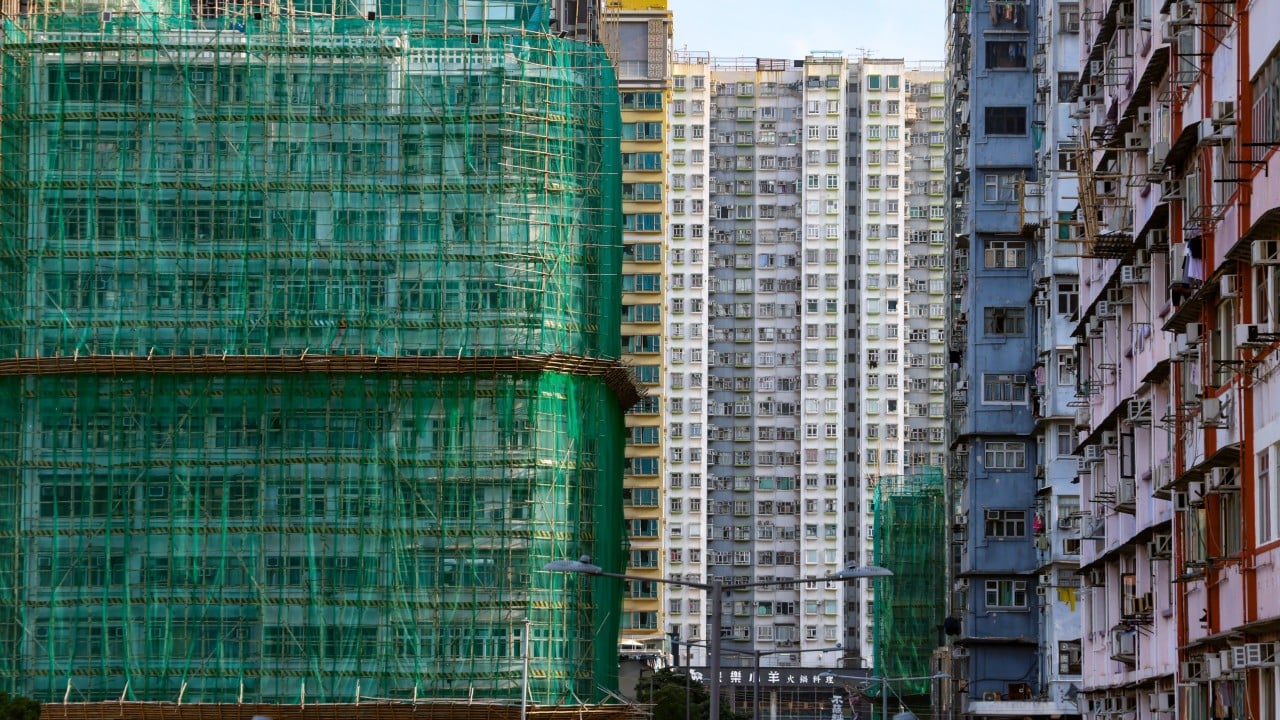
Financial penalties on household rubbish do not fix density. They just create an underground economy of illegal dumping. I have watched waste management policies collapse in high-density hubs across Asia because bureaucrats refuse to understand human behavior on the ground floor. When you tax trash in a city where forty percent of the population lives in cramped public housing towers, you do not inspire ecological awakening. You inspire alleyway midnight drops and neighbor warfare.
Hong Kong's pivot toward expanding community recycling networks is the admission of reality we desperately needed.
The Flawed Logic of Municipal Taxation in Vertical Cities
The entire argument for the charging scheme rested on a neat European theory. Make people pay per bag, and they will magically produce less packaging, sort their plastics, and compost their vegetable scraps. That theory works wonderfully if you own a suburban house with a driveway and a private bin.
It fails completely when your flat is four hundred square feet and your nearest official collection point requires an elevator ride down forty floors and a three-block walk in ninety-percent humidity.
When disposal costs money, low-income households bear the psychological and financial burden disproportionately. Wealthy residents simply absorb the fee as a negligible line item. Meanwhile, working families resort to hiding waste in public bins or tossing bags down stairwells. The enforcement cost alone eats up any projected savings.
Instead of treating citizens like bad actors who need financial punishment, the city is finally building the physical plumbing required to handle waste. You cannot tax your way out of a logistical bottleneck if you refuse to build the sorting capacity first.
Convenience Beats Conscience Every Single Time
Environmental advocacy loves moralizing. We are told that people litter or fail to recycle because they lack civic pride. This is a comforting delusion for people who design policies from air-conditioned offices.
People do not recycle because recycling is hard.
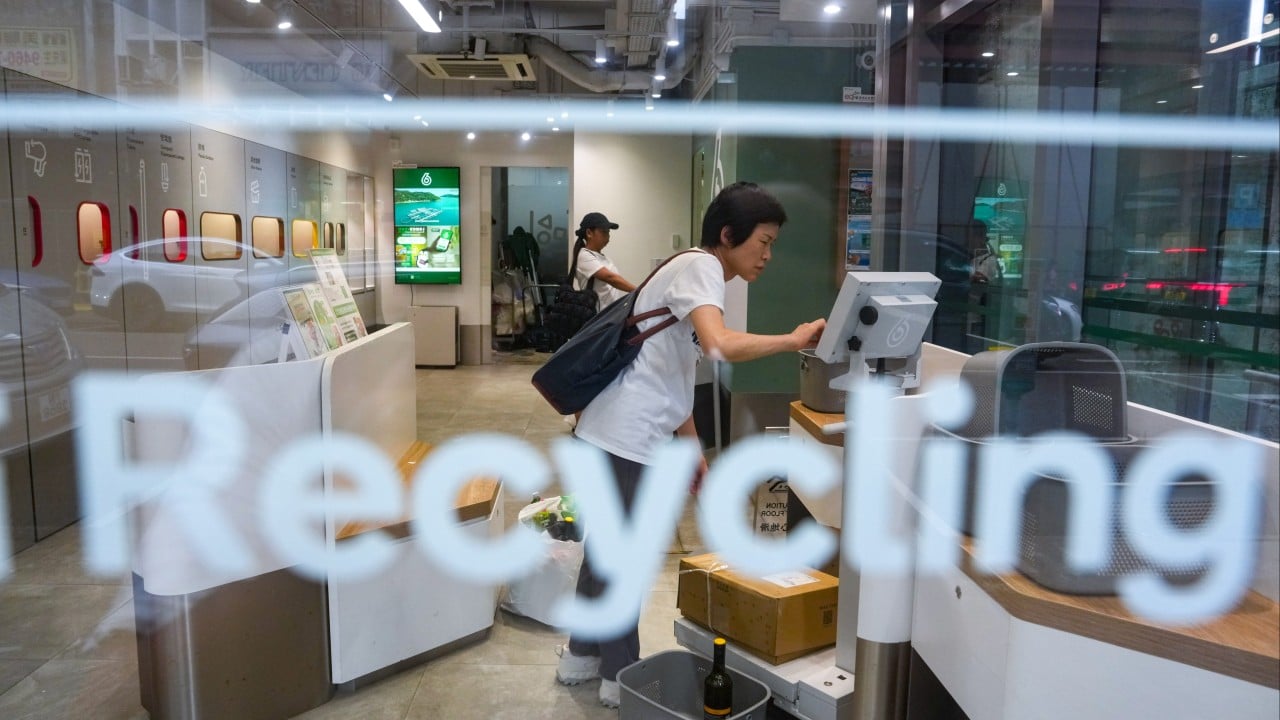
If walking down to a basement smart-bin station requires downloading a clunky app, scanning a QR code, and queuing behind three people struggling with wet cardboard, compliance plummets. Hong Kong's community recycling expansion succeeds only to the extent that it removes friction.
Look at the evolution of the GREEN@COMMUNITY network. Where collection points are clean, well-lit, staffed by helpful attendants, and placed directly inside housing estates or transit hubs, utilization surges. People bring their paper, metals, and plastics because it takes ten seconds on their way home from the MTR.
You change habits by changing architecture, not by threatening fines.
The Unspoken Cost of Stalling the Scheme
Let us be completely honest about the downside of shelving the charging law. It gives politicians a convenient excuse to kick the can down the road on long-term sustainability investments. It breeds cynicism. When a major policy is delayed indefinitely after years of public consultation, trust in urban planning erodes.
Critics argue that without the stick of charging, recycling rates will plateau. They are partially right. Voluntary participation has a ceiling. But a poorly designed stick that destroys public goodwill is worse than no stick at all.
The path forward requires treating waste as a resource recovery operation rather than a punitive tax collection exercise. We need automated sorting facilities at the district level, localized composting for wet markets, and transparent supply chains for recovered materials so citizens know their sorted plastic isn't just heading to a landfill anyway.
Stop crying over shelved trash bags. Start demanding better bins.