The air in Murrieta usually smells of sun-baked sage and the cooling asphalt of suburban cul-de-sacs. It is a place designed for safety. People move there for the wide streets, the highly-rated schools, and the unspoken promise that if you follow the rules, the world will leave you in peace. But on a Tuesday morning in 2024, that peace evaporated into a black, acrid column of smoke that could be seen from the freeway.
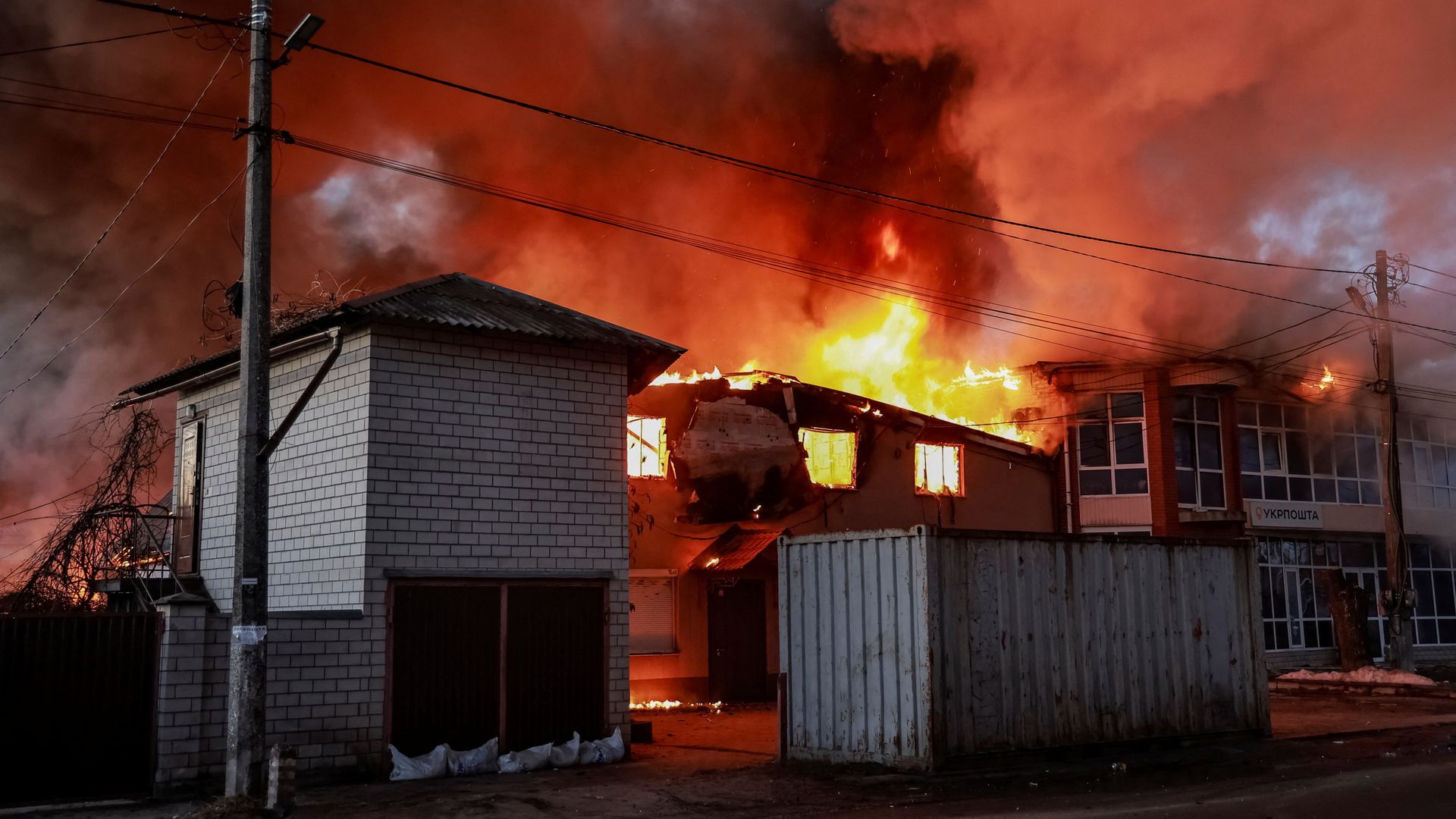
When a house burns, it makes a sound like a physical blow. Wood groans. Glass shatters with a high-pitched, musical violence. By the time the neighbors on Wooden Boat Way realized what was happening, the structure was already a furnace.
We often think of tragedy as a sudden lightning bolt, an act of God that no one could have predicted. We want to believe that. It makes us feel better about our own vulnerabilities. If disaster is random, then we aren’t responsible for our own safety. But the law, and the grim reality of forensic evidence, often tells a much colder story.
The Weight of a Locked Door
Inside that blistering heat were two sisters. One was only five years old. The other was an infant, just three months into a life that was supposed to span decades. They didn't make it out.
The immediate headlines focused on the flames, but the subsequent investigation focused on the choices made before the first spark ever caught. Alejandro and Naomie Valadez, the parents of those two girls, now face the kind of charges that make a community turn its head in a mixture of horror and judgment. Involuntary manslaughter. Child neglect. Falsifying evidence.
These aren't just legal terms. They are the scaffolding of a nightmare.
Consider the mechanics of a home. We fill our rooms with the artifacts of a life—synthetic rugs, polyester pillows, plastic toys. These are effectively solidified petroleum. When they ignite, they don't just burn; they off-gas a cocktail of hydrogen cyanide and carbon monoxide. In a modern house fire, you don't have ten minutes to escape. You have three. Maybe less.
When the Riverside County District Attorney’s Office filed those charges, they weren't just reacting to the deaths. They were pointing to a series of cascading failures. Reports suggest the children were left unattended, a lapse in supervision that turned a localized accident into a double homicide.
The Illusion of "Just for a Second"
Every parent has felt it. The temptation to run a quick errand while the baby sleeps. The belief that "just for a second" is a safe window of time. We negotiate with reality, convinced that our luck is a permanent shield.
But reality is indifferent to our negotiations.
The Valadez case serves as a brutal reminder that neglect isn't always a long-term pattern of abuse. Sometimes, it is a single hour of misplaced confidence. The prosecution’s case hinges on the idea that the parents created a situation so inherently dangerous that the deaths of their daughters were the logical, if unintended, conclusion.
There is a specific kind of silence that follows a fire. Once the sirens fade and the investigators pack up their yellow tape, the charred skeleton of a home remains as a monument to what was lost. On Wooden Boat Way, that silence is heavy with the weight of "what if."
What if the smoke detectors had been different? What if someone had been in the room?
The charges of "falsifying evidence" suggest a frantic, human attempt to rewrite the story after it had already ended in disaster. It is a desperate impulse—to move a space heater, to hide a candle, to change the timeline of when you left and when you returned. We want to believe we can fix the past, even when the past is a pile of ash.
The Physics of Responsibility
Fire doesn't care about your intentions. It follows the laws of thermodynamics. It seeks oxygen. It climbs walls. It feeds on the very things we buy to make our lives comfortable.
When we look at the statistics of residential fires, the patterns are hauntingly consistent. Most fatal fires happen at night, or in moments when the primary caregivers are absent or incapacitated. It isn't the fire itself that kills most often; it is the smoke. The smoke acts as an anesthetic, lulling the victims into a deeper sleep before the heat ever reaches them.
For the Murrieta community, the grief is compounded by the legal proceedings. A criminal trial for parents who have lost their children is a double-edged sword of justice. On one hand, there must be accountability for two lives cut short by negligence. On the other, there is the realization that no prison sentence can compare to the internal cage of knowing your own choices led to this.
The Hidden Stakes of Daily Life
We live in an era of distraction. We are constantly pulled away from the present moment by screens, by stress, by the grinding machinery of surviving in an expensive world. But the Valadez story forces us to look at the invisible stakes of our smallest decisions.
Parenting is, at its core, a series of risk assessments. We decide which playground slide is too high, which grape is too large to swallow whole, and which room is safe to leave for a moment. Most of the time, we get it right. We cruise through life on a series of "near misses" that we never even realize were misses.
Then, there are the times the math doesn't work out.
The Murrieta fire wasn't just a local news item. It was a failure of the most basic social contract: the one between a parent and a child. The law exists to enforce that contract when it is broken, but it cannot mend the hearts of the grandparents, the neighbors, or the first responders who had to carry those small forms out of the wreckage.
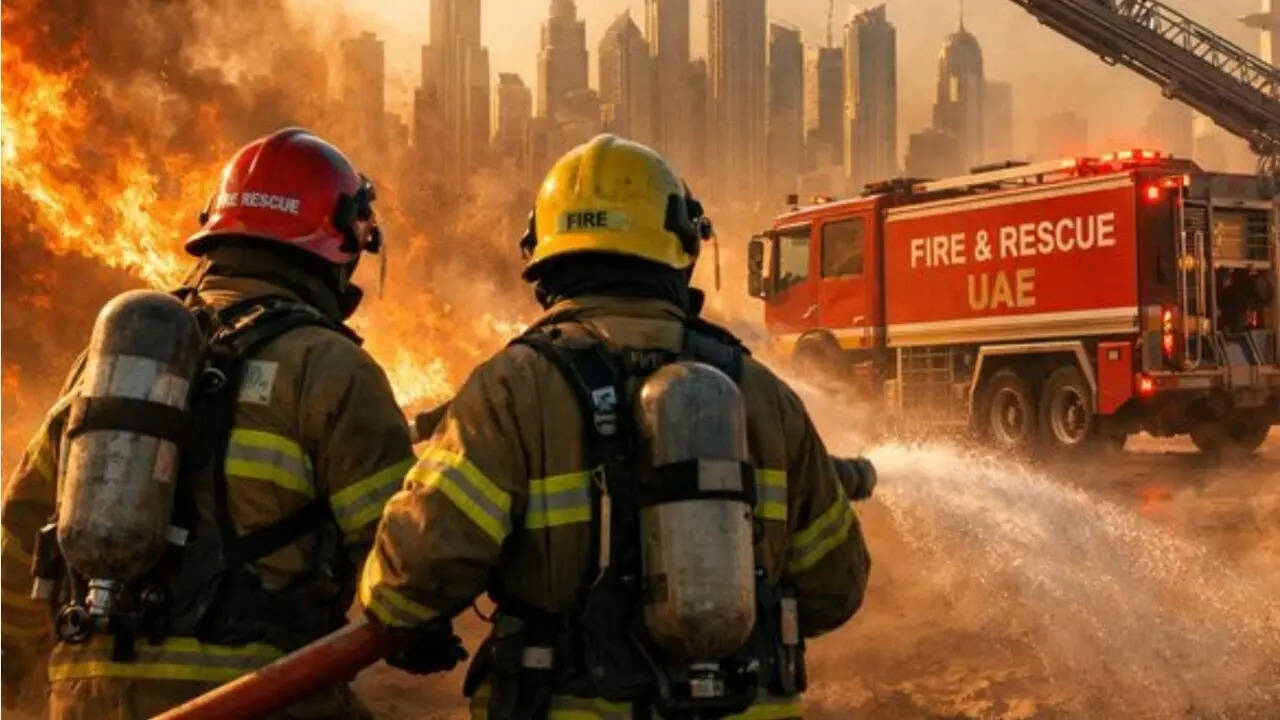
Imagine the fire crews arriving. They are trained for the heat. They are trained for the smoke. But no amount of training prepares a person for the weight of a five-year-old who isn't breathing. Those firefighters carry that weight for the rest of their lives, long after the insurance claims are settled and the lot is cleared for a new house.
Beyond the Gavel
As the legal system grinds forward, Alejandro and Naomie Valadez will be judged by a jury of their peers. They will be scrutinized for every minute of that Tuesday morning. The evidence will be laid out—the charred remains of the home, the timeline of their movements, the testimony of those who saw the smoke first.
But the real trial isn't happening in a courtroom. It's happening in the collective consciousness of a town that used to feel safe.
We look at our own homes differently after a tragedy like this. We check the batteries in the smoke detectors. We look at our children and feel a sudden, sharp pang of fragility. We realize that the walls of our houses are not the fortresses we thought they were. They are merely shells, and we are the only thing standing between the people we love and the indifferent forces of the world.
The sisters of Murrieta didn't have a choice in the matter. They relied on the adults in the room to navigate the risks for them. They relied on a world that promised them a tomorrow.
The sun still sets over the hills of Murrieta, casting long shadows across the empty lot on Wooden Boat Way. The sage still smells sweet in the evening air. But for two little girls, the world stopped in a roar of heat and a haze of black smoke, leaving behind only the cold, hard questions of justice and the enduring, painful lesson that some mistakes can never be undone.
The charred wood has been hauled away, but the soot remains in the lungs of the community, a persistent cough that won't go away, reminding everyone who passes by that safety is a fragile thing, held together only by the constant, unblinking eyes of those who promise to watch over us while we sleep.