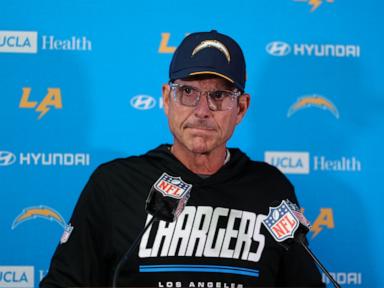
The lazy consensus around the Los Angeles Chargers offense reads like a paint-by-numbers panic sheet: Jim Harbaugh is searching for answers, Justin Herbert is throwing too many picks, Mike McDaniel's scheme is failing to click, and injuries along the offensive line and receiver room are ruining everything.
It sounds tidy. It is also superficial. For a closer look into this area, we recommend: this related article.
When a team craters into a disastrous 2026 start—stacking turnovers early, getting battered behind a shifting front, and looking disjointed even when the defense holds an opponent like Baltimore to next to nothing on the ground—beat reporters reach for the nearest scoreboards and injury lists. Nobody wants to talk about philosophical friction inside the building. Yet that friction is the exact fault line running through Los Angeles.
The Lazy Consensus Missed the Real Bottleneck
Look at how standard coverage frames the Chargers' offensive collapse. It treats the unit like a broken machine that just needs better parts or a tougher speech from the head coach. Turnover counts go up, patience goes down, and everyone argues over whether the blame belongs on the quarterback, the offensive coordinator, or the medical tent. For further background on the matter, in-depth analysis is available on Bleacher Report.
I have watched plenty of football operations burn millions chasing schematic fixes while ignoring identity clashes right in front of them. A head coach who builds his entire gospel on physicality, clock control, and imposing his will at the line of scrimmage hires a coordinator famous for tempo, spacing, and misdirection, and then adds passing-game voices with wildly different backgrounds. When things go sideways, you do not just have a play-calling slump. You have an identity tug-of-war.
Football analysts love reducing offense to "execution" or "scheme." In reality, an NFL offense is an alignment problem first. Every call on third down reflects a quiet negotiation over risk tolerance, protection rules, and how much chaos the quarterback is allowed to create. When a quarterback who built his reputation on pushing the ball downfield is asked to play inside a hyper-scripted, timing-dependent structure—while absorbing heavy pressure—hesitation creeps in. Hesitation leads to late throws. Late throws lead to turnovers and sacks.
Precision on Scheme, Protection, and Turnovers
Before throwing around buzzwords, define what actually breaks an offense in the NFL:
- Pass protection vs. play design: A creative route concept dies on arrival if the offensive line loses its anchor before the quarterback's back foot hits the ground. When a sixth-round rookie like Logan Taylor ends up stepping into a prominent spot and earning praise for clean pass protection, that tells you how unstable the front has been. You cannot run slow-developing concepts behind a porous or rotating wall.
- Turnover variance vs. structural giveaways: Early-season turnover spikes often look apocalyptic, and bad ball security is inexcusable. Still, context matters. A quarterback forced off his spot or pressing to dig out of early deficits makes riskier throws than one operating ahead of the chains with a healthy run game.
- Offensive rhythm vs. defensive complementary play: Watching a defense suffocate a run game—holding Baltimore to minimal rushing yardage in the first half and keeping the opponent off schedule—only highlights how stark the contrast is when the offense stalls out in the second half or fails to close drives. Complementary football works both ways. A stingy defense buys time, not miracles.
Heavy hitters in the coaching ranks have preached complementary football and line-of-scrimmage dominance for decades—from Bill Walsh's emphasis on scripted efficiency and spacing to Nick Saban's obsession with eliminating self-inflicted wounds. Harbaugh himself has lived by physical football at every stop, from Stanford and Michigan to his first NFL run with the San Francisco 49ers. Hiring aggressive, inventive offensive minds like Mike McDaniel or bringing in veteran voices like Adam Gase is supposed to modernize the attack, not blur who the team is.
Why "Searching for Answers" Is the Wrong Question
Asking whether Harbaugh will "find answers" assumes the problem is a missing play sheet. That is the wrong question. The real question is whether Los Angeles is willing to simplify its offensive identity to match its roster reality right now.
Consider the "People Also Ask" questions flooding timelines whenever a high-profile offense sputters:
Is Justin Herbert regressing?
Calling a quarterback's entire trajectory broken because of an ugly stretch—even a miserable start—is lazy box-score analysis. Quarterback play in the NFL is heavily derivative of protection integrity, receiver availability, and how often a defense knows what is coming. When pressure arrives quickly and passing weapons are banged up, even top-tier arm talent looks mortal.
Should the Chargers fire their offensive coordinator midseason?
Midseason coordinator scapegoating makes fans feel like something is happening, yet it rarely fixes foundational flaws. Tearing up terminology and install mid-year usually adds confusion on top of bad habits. Unless a locker room has completely tuned out a coach, midseason firings are mostly public-relations band-aids.
Imagine a scenario where Harbaugh strips the playbook down to its most reliable core concepts for four straight weeks—heavy personnel, clear reads for Herbert, quick answers against pressure, and zero cute gadgetry in tight games. You might not win style points. You might not look like the flashiest offense on Sunday. You would, however, force defenses to defend honest football instead of gifting them free possessions and easy rush lanes.
The Honest Downside of My Contrarian Take
Going all-in on simplification and identity alignment has real downsides, and pretending otherwise would be dishonest.
First, a simplified, physical offense can become predictable against elite defensive coordinators who disguise coverages and bracket your best perimeter options. Good defenses will dare you to throw into tight windows if they trust your run game can be contained.
Second, leaning too hard on a conservative, low-risk script can cap a team's ceiling in shootouts. If a game gets away early and you need explosive chunk plays in a hurry, a cautious approach feels like bringing a butter knife to a shootout.
Third, even the cleanest philosophy cannot overcome severe injuries to key starters. Depth players have limits, no matter how smart the coach is.
What Actually Works Right Now
If Harbaugh and his staff want real movement instead of more press-conference platitudes about getting better, three moves matter more than anything else:
- Lock the five best offensive linemen in place and build around their strengths. Stop treating the front like a revolving door if a younger player or healthy veteran gives you steadier pass sets. Protect the quarterback first; everything else is secondary.
- Cut high-variance decisions in the middle of the field. Trim the plays that require split-second perfection from banged-up skill players under heavy rush. Get the ball out on time, take the checkdown without flinching, and force opponents to drive the full field instead of handing them short fields off turnovers.
- Define one clear offensive identity for the rest of the season. Decide whether this group wins through physical power runs and play-action off them, or fast-tempo rhythm throws—and stop oscillating between the two when a drive stalls.
Stop looking for a magic play call to save a broken rhythm. Fix the protection, protect the football, and pick a lane.