Environmental DNA technology did not save Australian rainforest frogs. It merely confirmed they are hanging on by a microscopic thread while conservation bureaucracy pats itself on the back.
The media narrative surrounding recent James Cook University research is a masterclass in comforting delusion. Headlines roar that creek water testing found endangered amphibians up to 22 kilometers downstream from where they vanished decades ago. The mainstream takeaway is a sigh of relief: they are bouncing back.
It is a comforting bedtime story for people who prefer press releases to ecological reality. Finding a few stray skin cells or mucus shreds in a water bottle does not constitute a population recovery. It constitutes a ghost sighting.
The Fatal Flaw of eDNA Optimism
Environmental DNA, or eDNA, is an extraordinary detection tool. It finds genetic residue in aquatic systems with terrifying precision. But detection is not survival.
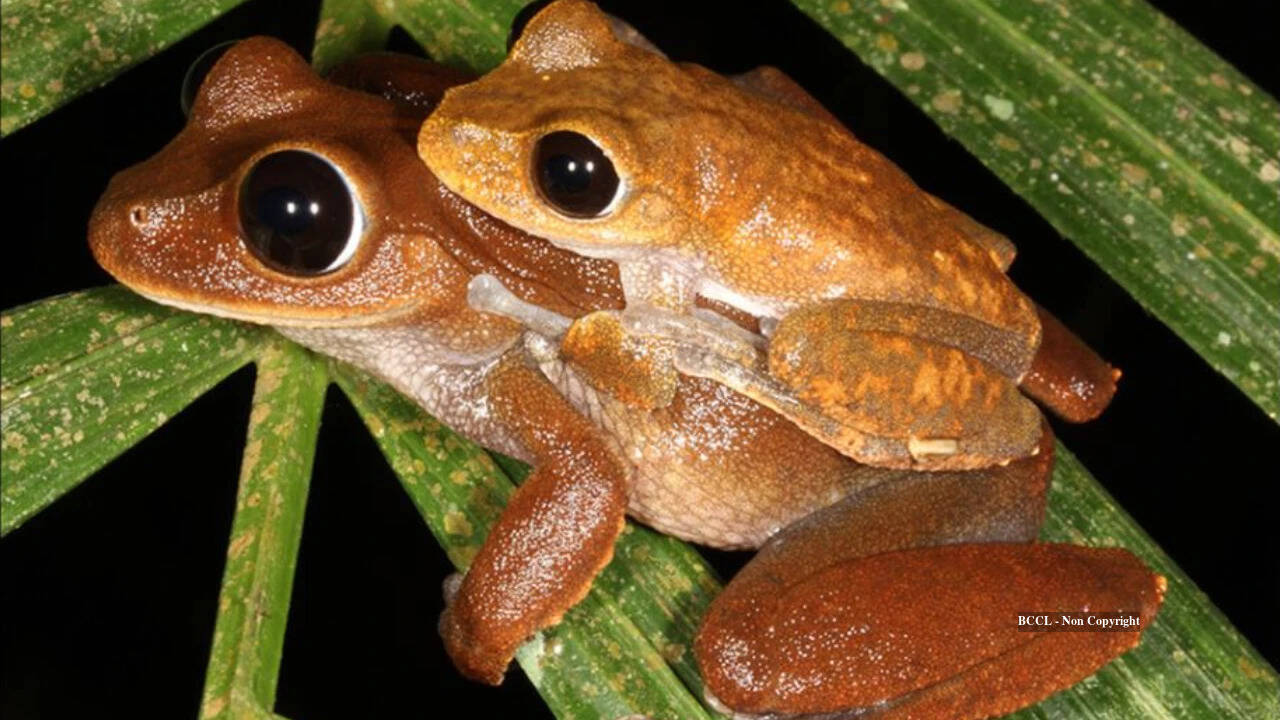
When researchers pull water samples from lowland Daintree streams and trace them back to upland species like the Waterfall Frog or the Armoured Mistfrog, they are tracking molecular drift. Water flows downhill. Rain washes biological debris from isolated, dying refugia miles upstream into accessible collection points.
Imagine a scenario where a single surviving frog sits in a shrinking puddle near a mountain peak, continuously shedding cells into a trickle of runoff. That DNA travels twenty-two kilometers down into the lowlands. The lab detects it. The university publishes a triumphant paper. On paper, the species footprint expands across the map. In reality, the total census of living adults might still be countable on two hands.
We are confusing a data point with a demographic trend.
The Chytrid Consensus is Asleep at the Wheel
The lazy consensus in modern conservation blames the chytrid fungus (Batrachochytrium dendrobatidis) for the apocalypse that began crashing through Australian amphibian communities in the late 1970s and early 1990s. That part is historically accurate. The fungus arrived via global trade, devastated cool wet habitats, and wiped out upland stream dwellers.
Where the consensus fails is the assumption that mapping these ghost footprints via water samples changes the trajectory.
I have watched agencies blow millions on monitoring techniques that map extinction rather than reverse it. We spend years refining qPCR assays to detect trace genetic fragments, turning field biology into an indoor computational exercise. It is easier to fund a water-sampling expedition than to solve the intractable mechanics of fungal persistence in a warming climate.
Finding out that the Armoured Mistfrog clings to one solitary, confirmed site—as the same eDNA study painfully reconfirmed—should induce panic, not joy. One site means zero redundancy. One localized flash flood, one unseasonal dry spell, one localized mutation in the pathogen, and the species is permanently gone.
Redefining the Metric of Success
People ask why discovering these genetic traces matters if it doesn't change the ground game. The premise of the question is flawed. It assumes detection equals management.
It does not.
True conservation engineering requires moving past passive surveillance. If eDNA tells us where the remaining genetic material drifts from, the only ethical response is aggressive, high-risk intervention:
- Captive breeding pipelines designed around thermal tolerance.
- Direct probiotic inoculation of stream environments.
- Building artificial, temperature-controlled, fungal-free enclosures in high-altitude zones.
Stopping at "look how widespread their DNA is" is professional malpractice. It lets governments check a biodiversity box while the ecosystem quietly unravels.
We do not need better ways to find dead frogs or nearly dead frogs. We need to stop treating a genetic ghost trail as a victory lap. Until those water samples start yielding live juveniles in creeks where the species hasn’t breathed air in thirty years, we are not saving anything. We are just cataloging the descent.