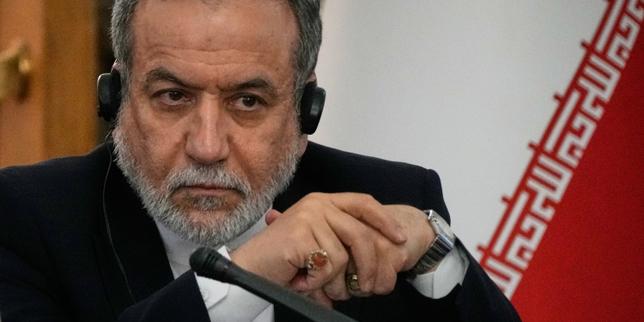
When Iran denounces police violence in France and calls on Paris to protect the freedom of demonstration, the irony hits you right between the eyes. Tehran summoning French Ambassador Pierre Cochard over rough policing at student and cost-of-living rallies looks like pure diplomatic theater. Yet brushing it off as a joke misses something sharper.
Here is the real tension underneath the headlines. Iran's government has a horrific domestic record on street dissent, including deadly crackdowns during its own unrest in January 2026. At the same time, French riot police really have faced tough questions over crowd-control tactics, arrests of minors, and heavy-handed clashes during autumn 2026 demonstrations.
Two things can be true at once. Tehran can use human rights rhetoric as a geopolitical weapon to embarrass a rival, while independent observers in France and at the United Nations raise real concerns about how security forces handle street protests.
What Actually Sparked the Clash Over French Protest Policing
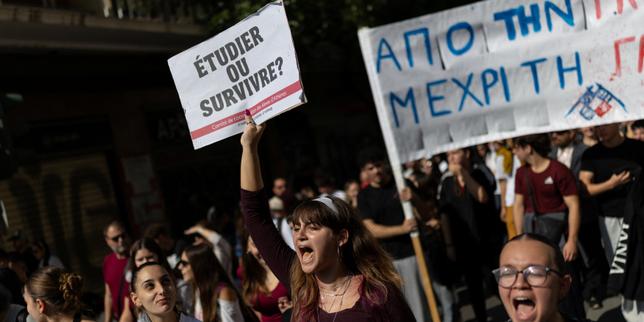
The diplomatic spat didn't appear out of thin air. High school students across France began walking out and blocking schools in September 2026 over understaffing, crowded classrooms, and lack of resources, and those grievances soon merged with broader anger over inflation, wages, and living costs. By mid-October, massive street mobilizations hit major cities, with violent riots erupting alongside peaceful marches on October 17.
French authorities point to severe disorder on the ground. According to figures cited in international reporting from Justice Minister Gérald Darmanin in November 2026, police detained roughly 8,000 people tied to high school protests since September and more than 7,100 during cost-of-living demonstrations since October 17, while hundreds of officers were injured across the unrest. Interior Minister Laurent Nuñez has argued that officers acted proportionately against rioters who vandalized buildings, looted shops, and attacked security forces.
Still, critics aren't inventing grievances out of whole cloth. In October 2026, Amnesty International warned that tear gas grenades had been discharged recklessly at student demonstrations, and UN human rights experts expressed alarm over heavy policing involving young people. Reporting from outlets like Al Jazeera also highlighted accounts from injured minors and disputes over containment tactics like kettling.
Why Iran Denounces Police Violence in France Now
Look at the timing and you see diplomatic payback in action. Relations between Tehran and Paris were already frayed well before autumn 2026, following mutual diplomatic expulsions in August, friction over detained personnel, and the closure of the French language center in Tehran in September. Summoning the French envoy gave Iranian officials a loud platform to turn the tables on Western governments that routinely criticize Iran's human rights record.
Call it what it is. Propaganda works best when it hooks onto a real nerve.
When Iranian officials talk about "freedom of demonstration" and police brutality abroad, they aren't suddenly championing open civil society. They're exploiting a genuine vulnerability in Western democracies—the gap between lofty ideals of free assembly and the gritty, sometimes brutal reality of riot control on city streets. Paris responded by accusing Tehran of disinformation, showing just how raw the information battle has become.
The Double Standard Trap Nobody Escapes Easily
Whenever a government with severe domestic repression lectures another country on rights, audiences roll their eyes. Fair enough. Human rights groups and international observers have long documented lethal force, mass arrests, and harsh punishments against protesters inside Iran, including deadly unrest in January 2026.
Yet dismissing a claim simply because the messenger is hypocritical is a classic logical mistake. A bad actor can still point at a real flaw—even if their motive is pure spite.
For France, the harder problem isn't winning a rhetorical argument with Tehran. It's keeping public trust at home when images of injured teenagers, aggressive dispersal tactics, and sweeping arrests circulate online. When rioters set fires and trash storefronts, policing gets chaotic fast. Once peaceful students and bystanders feel caught in the crossfire, credibility takes a hit that no foreign ministry press release can fix.
What Smart Readers Should Watch Next
If you're following this story, don't get stuck picking a team in a shouting match between capitals. Watch the mechanics instead:
- Cross-check numbers and claims: Compare government arrest tallies and riot damage reports against independent legal aid groups, hospital reports, and UN or NGO statements.
- Separate peaceful assembly from arson and looting: Many protests start around real issues like school funding or wages before violent factions hijack the streets. Keeping those distinct helps you judge whether crowd control was targeted or indiscriminate.
- Track judicial follow-through: Pay attention to how courts handle charges, especially involving minors and first-time demonstrators, and whether oversight bodies review disputed police actions.
If you're reading across multiple threads or saving notes on international affairs, signing in to a Google Account makes it much easier to keep your chat history and return to threads later. To dig deeper yourself, read the full statements from the UN Office of the High Commissioner for Human Rights and Amnesty International, and check local French reporting on court outcomes as the autumn unrest cases move forward.