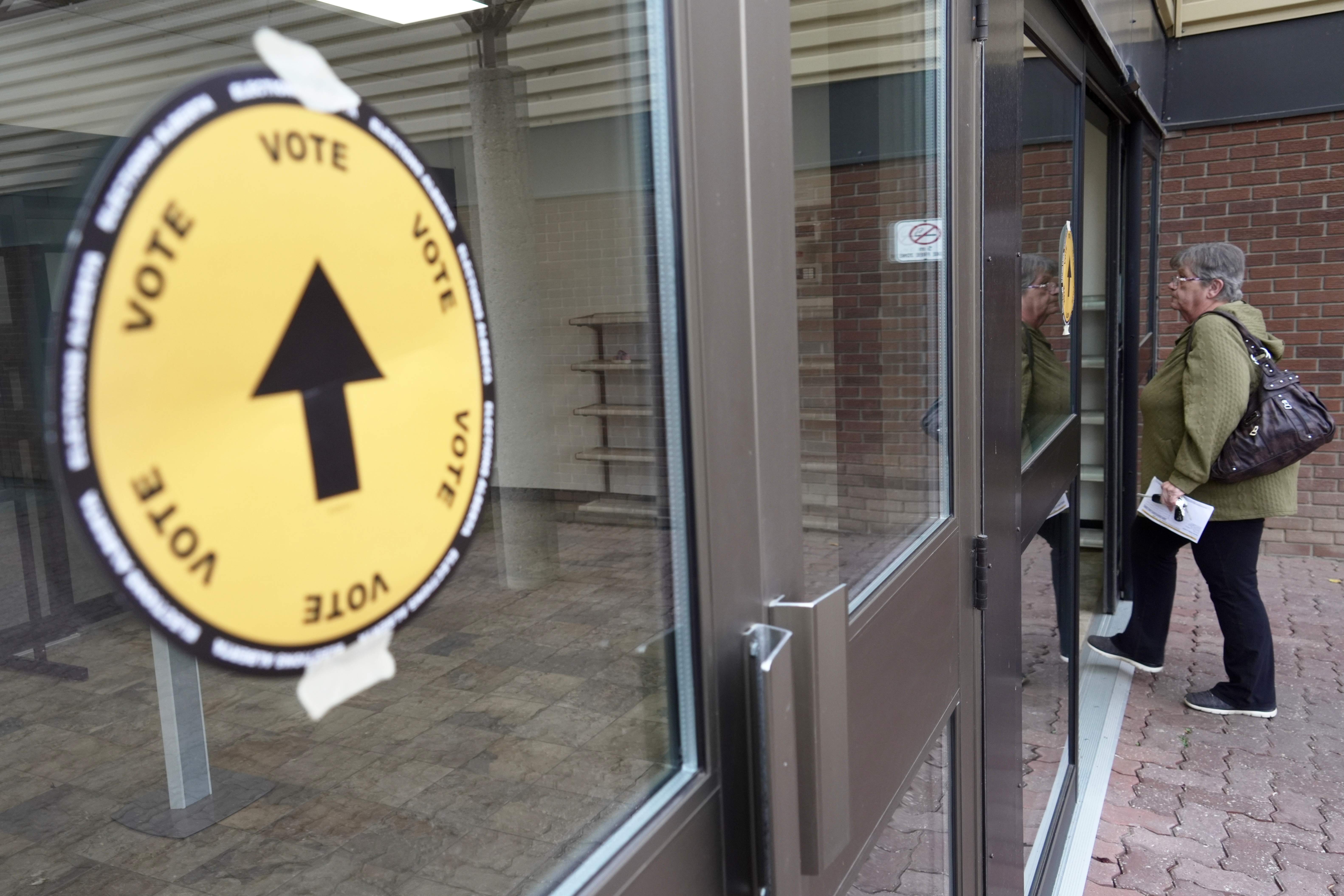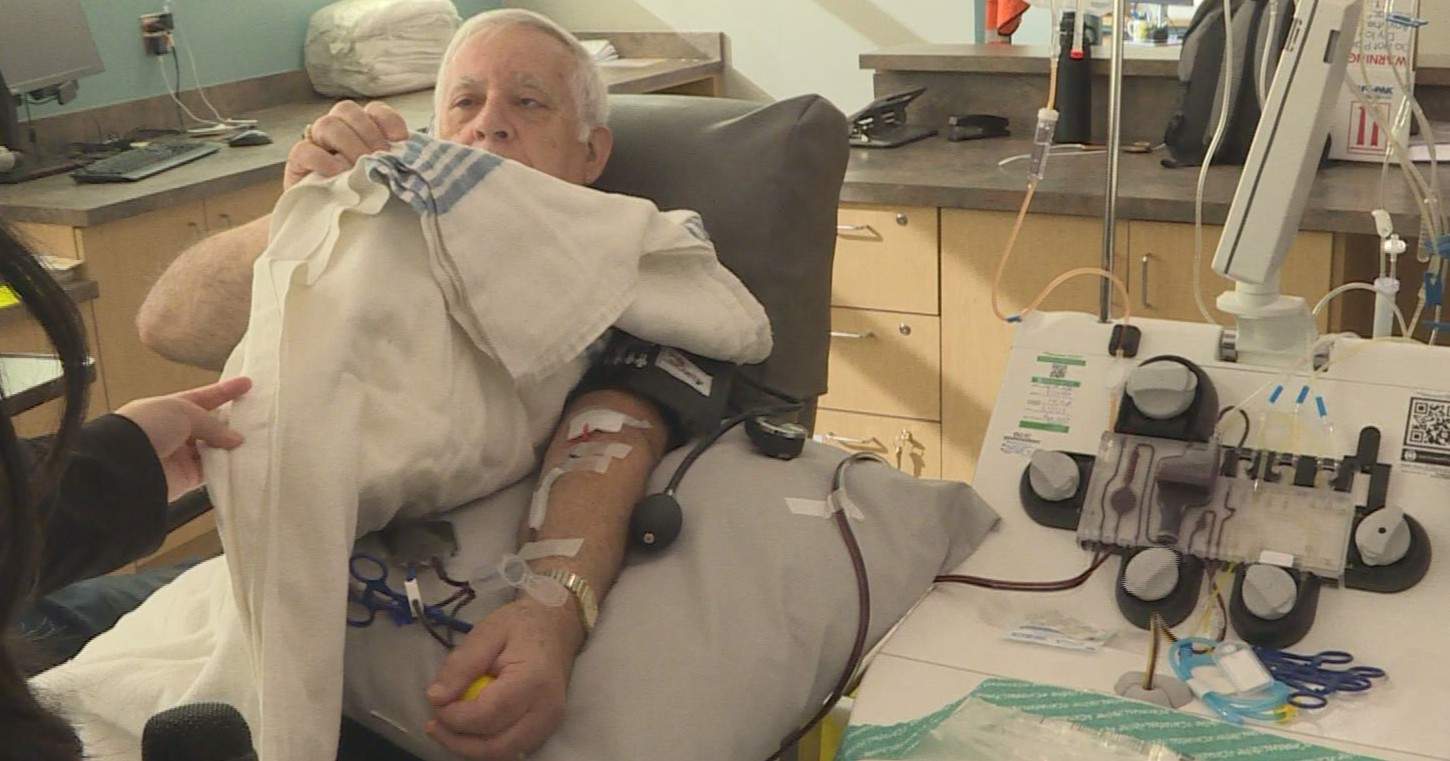
The waiting room smells like lemon disinfectant and damp wool. Outside, the prairie wind scrapes frost off the glass in sharp, impatient strokes, the kind of cold that makes your knuckles ache before you even take your gloves off. Inside, a dozen people sit on molded plastic chairs that squeak whenever someone shifts their weight. Nobody is scrolling on their phones. Nobody is talking about the weather or the weekend or the price of groceries.
They are waiting to bleed.
News of a tragedy at Canadian Forces Base Wainwright has rippled across the prairies, carrying that heavy, unmistakable weight that settles into a community when soldiers—people who signed up to stand in the line of fire or train relentlessly so others can sleep soundly—are hurt or lost. In Manitoba, where military bases, reserve units, and civilian towns share an unspoken bond forged over generations, grief rarely stays neatly inside a perimeter fence. It leaks into coffee shops. It sits at kitchen tables. It pushes ordinary citizens out of warm houses and into donation clinics with a quiet, urgent need to do something.
I know that urge from the inside. Years ago, sitting in a clinic chair with a cold compress on my wrist and a tight knot in my stomach after a local crisis, I realized how helpless sorrow can feel when you are just one person watching from the sidelines. You cannot rewind the clock. You cannot pull metal from a wreckage or stop a family from getting the worst knock on the door. So you offer the one thing that is undeniably yours.
It is simple. It is physical. It costs nothing except forty minutes of your morning and a mild sting that fades before you reach your car.
Yet the moment you start looking closely at what happens after a tragedy—how communities rush to donate blood, how clinics fill up, and how medical systems actually use what is given—the story turns out to be far more intricate, and far more fragile, than a single headline about Manitobans rolling up their sleeves can capture.
The Anatomy of a Sudden Rush
When shock hits a community, human beings look for an exit ramp from helplessness. Donating blood is one of the cleanest, most tangible exits available.
Consider a hypothetical donor—let's call her Clara, a high school history teacher from Winnipeg who heard the news over breakfast radio and drove straight to a clinic before her first class. Clara isn't thinking about supply-chain logistics or blood-component shelf lives. She is thinking about a mother somewhere holding a folded flag or a medic working under fluorescent lights. She sits down, squeezes a foam ball, watches the dark red line climb the scale, and feels a quiet release: At least I did this.
There is real power in that impulse. Psychologists and disaster researchers have observed for decades that prosocial action—helping strangers, volunteering, giving blood—helps buffer people against acute distress and feelings of powerlessness. When bad news happens far away or behind closed doors, giving blood brings the response right into your own body. Your heart pumps. Your blood flows out. Grief turns into motion.
Still.
The emotional logic of a blood drive and the medical logistics of a trauma response do not always move at the same speed.
Blood donation is not like opening a faucet when a fire breaks out and turning it off when the smoke clears. Every unit of whole blood collected has to be tested for infectious diseases, typed, separated into components—red cells, plasma, platelets—and tracked through strict safety protocols before it can safely enter another human body. Platelets, which are vital for stopping severe bleeding in trauma patients, have a very short shelf life, often measured in just days. Red blood cells last longer, typically up to forty-two days under refrigeration, while frozen plasma can be stored much longer.
If a massive wave of donors arrives all at once on the day after a tragedy, clinics can face bottlenecks. Chairs fill up. Appointments book out. Staff work at full stretch to process the surge safely. And then, two or three weeks later, when the headlines move on and normal routines return, donations often dip right back down—even though hospitals and trauma centers need steady, predictable inventory every single day, not just on days of sorrow.
That gap between emotional urgency and steady supply is one of the quietest challenges in healthcare. We are magnificent in a crisis. We are far harder on ourselves when nothing dramatic is happening on the news.
Why Blood Is Never Just a Bag on a Shelf
To understand why Manitobans showing up matters so much, even when the immediate medical path of a specific bag isn't visible to the person donating it, it helps to think of the blood system like a municipal water reservoir rather than a single emergency hose.
(Note: The reservoir comparison here is a metaphor used to explain how pooled inventory supports both routine care and sudden emergencies.)
If you only fill a reservoir during a drought, you are already behind. A healthy reservoir is fed continuously by rain and snowmelt so that when a wildfire breaks out or a pipe bursts three towns over, the pressure holds. Blood banks work the same way. When people donate after a tragedy like the CFB Wainwright incident, they are replenishing a shared pool that supports trauma care, surgeries, cancer treatments, childbirth complications, and chronic illnesses across the country.
When someone is severely injured in a high-impact event, bleeding is one of the fastest threats to life. A trauma team doesn't just need one type of blood; they need coordinated support—red cells to carry oxygen to starving tissues, plasma to help maintain volume and clotting factors, platelets to help form clots. Having a strong, well-balanced supply already tested and ready in the system is what allows medical teams to respond without scrambling from zero.
At the same time, it is worth being honest about a question many people quietly wonder after a tragedy: Will the blood I give today go directly to the people hurt in this specific event?
Often, the honest answer is: maybe not directly, or maybe not immediately. A specific tragedy might occur in Alberta while donors line up in Manitoba, or a patient might need a rare subtype, or existing inventory might already be deployed where it is needed most.
That can sound discouraging for a split second if you expect a direct line from your arm to a specific hospital bed. Yet when you zoom out, it reveals something even larger. Every unit that keeps a local hospital stocked frees up capacity and ensures that whether a patient is a soldier injured on training maneuvers, a child undergoing chemotherapy, or a neighbor in a highway crash, the shelf isn't empty when the call comes in.
The Unspoken Bond Between Towns and Bases
There is a particular texture to life in places like Manitoba when military tragedies strike. Military families and civilian neighbors share schools, hockey rinks, grocery aisles, and long winters. Even when a base sits across a provincial border, the ties of service, kinship, and shared history run deep.
In moments like that, people don't wait for a formal campaign to feel pulled toward action. You see it in the way communities rally after storms, floods, or accidents. When a tragedy touches those who serve, civilians often feel a double weight: sorrow for the loss itself, and a quiet gratitude mixed with guilt for the safety they enjoy every day.
Donating blood bridges that distance. It says, You are not separate from us.
Let's trace another hypothetical person—say, Marcus, a warehouse worker in Brandon who hasn't donated in six years because life got busy, his schedule shifted, and putting off an appointment felt harmless. A tragedy hits. Suddenly, putting it off feels selfish. He books a slot, sits through the finger-prick iron check, answers the screening questions honestly, and lies back while the needle is taped in place.
Is Marcus's single pint going to solve everything? No. Will it erase a family's grief? Of course not.
But Marcus just broke a six-year streak of inertia. If he comes back in eight weeks—or twelve, depending on donation guidelines—and again the season after that, his grief-sparked impulse becomes a habit that quietly saves lives all year long.
Fear, Hesitation, and the Things We Don't Say Out Loud
Not everyone who feels moved by a tragedy walks into a clinic. Many stay home, carrying a mix of good intentions and private hesitations they don't like admitting.
Some people are terrified of needles. Not mildly squeamish—genuinely lightheaded, sweating at the thought of a vein being punctured, worried they might faint in front of strangers. Others worry they won't be eligible because of past travel, medication, low iron, or a medical condition, and they don't want the awkwardness of being turned away after making the effort. Some simply don't know where to go, how long it takes, or what happens if they feel dizzy afterward.
There is zero shame in any of those feelings.
Your body is wired to protect itself from losing blood; feeling nervous around needles or medical settings is a completely normal human reflex, not a character flaw. Even experienced donors sometimes have an off day—skipping breakfast, walking in dehydrated, or feeling emotionally drained from heavy news—and end up needing a juice box and a few extra minutes to recover.
Clinic staff see all of it every single day. They are used to nervous first-timers, quiet grievers, and people who look pale before the needle even comes out. You don't have to walk in acting brave. You just have to show up, eat something beforehand, drink water, and tell the nurse if you feel shaky.
Turning Grief Into Staying Power
The hardest part of any community response isn't the first day. It's the fortieth day.
Tragedies pull us together like magnets. Then time stretches out. The news cycle turns. Winter deepens or spring arrives, and the urgent ache in our chests softens into background noise. That fading of intensity is natural—human beings couldn't survive if every tragedy stayed at peak pitch forever.
Yet medical need doesn't fade on the same schedule. Accidents keep happening. Surgeries keep getting booked. Patients with blood disorders and cancers keep needing transfusions week after week.
If there is a real lesson hidden inside the image of Manitobans rolling up their sleeves after a tragedy at CFB Wainwright, it isn't just that people care in a crisis. We already knew people care. The deeper truth is that compassion only becomes durable when we build routines around it.
A single donation after a disaster is a flare in the dark. It lights up the sky, shows where people stand, and reminds everyone they aren't alone. Regular donations—two, three, or four times a year when no tragedy is in the headlines—are the steady lamp on the porch that keeps the path lit all winter long.
Think about what happens if a community takes that surge of feeling and anchors it to a calendar reminder. Two months later. Four months later. Six months later. No cameras. No emergency bulletin. Just a quiet decision to give an hour of your time so someone else gets another day, another birthday, another chance to come home.
Outside, the prairie wind keeps blowing, cold and indifferent to human sorrow. Inside, warm blood moves through clear tubing into a small plastic bag, carrying a stranger's quiet promise that care doesn't end when the headlines fade.